eBook 정보
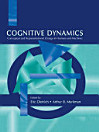
Knowledge representation is fundamental to the study of mind. All theories of psychological processing are rooted in assumptions about how information is stored. These assumptions, in turn, influence the explanatory power of theories. This book fills a gap in the existing literature by providing an overview of types of knowledge representation techniques and their use in cognitive models.
Organized around types of representations, this book begins with a discussion of the foundations of knowledge representation, then presents discussions of different ways that knowledge representation has been used. Both symbolic and connectionist approaches to representation are discussed and a set of recommendations about the way representations should be used is presented. This work can be used as the basis for a course on knowledge representation or can be read independently. It will be useful to students of psychology as well as people in related disciplines--computer science, philosophy, anthropology, and linguistics--who want an introduction to techniques for knowledge representation.
Organized around types of representations, this book begins with a discussion of the foundations of knowledge representation, then presents discussions of different ways that knowledge representation has been used. Both symbolic and connectionist approaches to representation are discussed and a set of recommendations about the way representations should be used is presented. This work can be used as the basis for a course on knowledge representation or can be read independently. It will be useful to students of psychology as well as people in related disciplines--computer science, philosophy, anthropology, and linguistics--who want an introduction to techniques for knowledge representation.
Knowledge representation is fundamental to the study of mind. All theories of psychological processing are rooted in assumptions about how information is stored. These assumptions, in turn, influence the explanatory power of theories. This book fills a gap in the existing literature by providing ...
이 eBook 평가
의견을 알려주세요.
읽기 정보
스마트폰 및 태블릿
노트북 및 컴퓨터
컴퓨터의 웹브라우저를 사용하여 Google Play에서 구매한 오디오북을 들을 수 있습니다.
eReader 및 기타 기기
Kobo eReader 등의 eBook 리더기에서 읽으려면 파일을 다운로드하여 기기로 전송해야 합니다. 지원되는 eBook 리더기로 파일을 전송하려면 고객센터에서 자세한 안내를 따르세요.