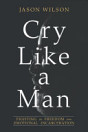
Books under Suspicion: Censorship and Tolerance of Revelatory Writing in Late Medieval England

· University of Notre Dame Pess
Ebook
562
Pages
Eligible

About this ebook

Books under Suspicion: Censorship and Tolerance of Revelatory Writing in Late Medieval England examines the censorship issues that propelled the major writers of the period toward their massive use of visionary genres. Kathryn Kerby-Fulton suggests that writers and translators as different as Chaucer, Langland, Julian of Norwich, “M.N.,” and Margery Kempe positioned their work to take advantage of the tacit toleration that both religious and secular authorities extended to revelatory theology. The book examines controversial ideas as diverse as the early experimental humanism of Chaucer, censured beatific vision theology and the breakdown of Langland's A Text, the English reception of M.N.'s translation of Marguerite Porete's condemned book, Julian's authorial suppression of her gender, and the impact of suspect Continental women's activism on Kempe.

Kerby-Fulton also narrates success stories of intellectual freedom, tracing evidence of ecclesiastical tolerance of revelation, the impossibility of official censorship in a manuscript culture, and the powerful, protected reading circles for radical apocalypticism and mysticism, such as those of the Austins and the Carthusians. Until now, Wycliffism has been seen as the only significant unorthodox or radical body of writings in late medieval England. Books under Suspicion is the first comprehensive study of banned non-Wycliffite materials in Insular writing during the period of the Avignon and Great Schism papacies.

This weighty, complex, and rewarding book makes use of neglected material in manuscripts and archives to reconstruct new aspects of the history of religious thought and vernacular writing in Ricardian and early Lancastrian England. As such it will interest scholars of late medieval religious history and Middle English literary history.

Books under Suspicion: Censorship and Tolerance of Revelatory Writing in Late Medieval England examines the censorship issues that propelled the major writers of the period toward their massive use of visionary genres. Kathryn Kerby-Fulton suggests that writers and translators as different as Cha...

Discover more

About the author

Kathryn Kerby-Fulton is Notre Dame Professor of English at the University of Notre Dame. She is the author and editor of a number of books, including most recently Voices in Dialogue: Reading Women in the Middle Ages (University of Notre Dame Press, 2005), co-edited with Linda Olson.
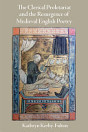
Kathryn Kerby-Fulton is Notre Dame Professor of English at the University of Notre Dame. She is the author and editor of a number of books, including most recently Voices in Dialogue: Reading Women in the Middle Ages (University of Notre Dame Press, 2005), co-edited with Linda Olson.

Rate this ebook

Tell us what you think.

Reading information

Smartphones and tablets
Install the Google Play Books app for Android and iPad/iPhone. It syncs automatically with your account and allows you to read online or offline wherever you are.
Laptops and computers
You can listen to audiobooks purchased on Google Play using your computer's web browser.
eReaders and other devices
To read on e-ink devices like Kobo eReaders, you'll need to download a file and transfer it to your device. Follow the detailed Help Center instructions to transfer the files to supported eReaders.