About this ebook
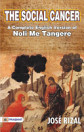
The narrative follows the journey of Juan Crisostomo Ibarra, a young Filipino who returns to the Philippines after studying in Europe, filled with hope and ideas of reform. However, Ibarra's vision of a better society quickly comes into conflict with the entrenched powers of colonial authority and the corrupt practices of the local clergy. As the story unfolds, readers are introduced to a cast of compelling characters, each grappling with their own struggles and aspirations. This vibrant characterization amplifies the emotional depth of the narrative, highlighting the bonds of friendship, loyalty, and betrayal that define human relationships.
Through Ibarra’s trials and tribulations, Rizal artfully examines the themes of love and sacrifice, delving into not only romantic relationships but also the ties that bind families and communities together. The intensity of Ibarra's relationships, especially with the beautiful and devoted Maria Clara, serves as a touching contrast to the dark realities of political oppression. This juxtaposition enables readers to grasp the profound impact of colonialism on personal lives, illuminating how political struggles infiltrate intimate relationships.
As readers journey with Ibarra, they witness emotional moments that underscore the strength and resilience of the Filipino spirit. Rizal's storytelling is infused with a sense of urgency that urges readers to reflect on notions of justice, equality, and patriotism. The characters’ quests for social justice and national identity resonate strongly, encouraging a deepened understanding of the Filipino struggle that is as relevant today as it was in Rizal's time.
In the broader context of the Philippines' history, Touch Me Not stands as a literary masterpiece that encapsulates Rizal's vision for reform and his unwavering dedication to uplifting the Filipino people. This groundbreaking work not only highlights the dire need for societal change but also calls for unity among Filipinos in their shared dream of independence. Rizal's persuasive prose and rich symbolism ensure that readers remain engaged with the narrative, challenging them to contemplate their own roles in the pursuit of justice and national pride.
Ultimately, Touch Me Not is more than just a historical novel; it is a call to action for future generations to rise against injustices and to cherish the values of heroism, sacrifice, and national identity. Whether you are a lover of literature, history, or social justice, Rizal's narrative offers profound insights and an emotional journey that captivates and inspires. Embrace the legacy of Jose Rizal through Touch Me Not, a timeless tale that continues to resonate with readers around the world.