About this ebook
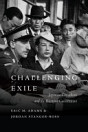
In 1942, the Canadian government forced more than 21,000 Japanese Canadians from their homes in British Columbia. They were told to bring only one suitcase each and officials vowed to protect the rest. Instead, Japanese Canadians were dispossessed, all their belongings either stolen or sold. The definitive statement of a major national research partnership, Landscapes of Injustice reinterprets the internment of Japanese Canadians by focusing on the deliberate and permanent destruction of home through the act of dispossession. All forms of property were taken. Families lost heirlooms and everyday possessions. They lost decades of investment and labour. They lost opportunities, neighbourhoods, and communities; they lost retirements, livelihoods, and educations. When Japanese Canadians were finally released from internment in 1949, they had no homes to return to. Asking why and how these events came to pass and charting Japanese Canadians' diverse responses, this book details the implications and legacies of injustice perpetrated under the cover of national security. In Landscapes of Injustice the diverse descendants of dispossession work together to understand what happened. They find that dispossession is not a chapter that closes or a period that neatly ends. It leaves enduring legacies of benefit and harm, shame and silence, and resilience and activism.
In 1942, the Canadian government forced more than 21,000 Japanese Canadians from their homes in British Columbia. They were told to bring only one suitcase each and officials vowed to protect the rest. Instead, Japanese Canadians were dispossessed, all their belongings either stolen or sold. The ...
Discover more
About the author
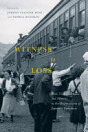
Jordan Stanger-Ross, professor of history and the project director of Landscapes of Injustice at the University of Victoria, is co-editor of Witness to Loss: Race, Culpability, and Memory in the Dispossession of Japanese Canadians.
Jordan Stanger-Ross, professor of history and the project director of Landscapes of Injustice at the University of Victoria, is co-editor of Witness to Loss: Race, Culpability, and Memory in the Dispossession of Japanese Canadians.
Rate this ebook
Tell us what you think.
Reading information
Smartphones and tablets
Install the Google Play Books app for Android and iPad/iPhone. It syncs automatically with your account and allows you to read online or offline wherever you are.
Laptops and computers
You can listen to audiobooks purchased on Google Play using your computer's web browser.
eReaders and other devices
To read on e-ink devices like Kobo eReaders, you'll need to download a file and transfer it to your device. Follow the detailed Help Center instructions to transfer the files to supported eReaders.