Information Technology and Military Power
About this ebook
Throughout this foray into networked technology in military operations, we see how information practice—the ways in which practitioners use technology in actual operations—shapes the effectiveness of military performance. The quality of information practice depends on the interaction between strategic problems and organizational solutions. Information Technology and Military Power explores information practice through a series of detailed historical cases and ethnographic studies of military organizations at war. Lindsay explains why the US military, despite all its technological advantages, has struggled for so long in unconventional conflicts against weaker adversaries. This same perspective suggests that the US retains important advantages against advanced competitors like China that are less prepared to cope with the complexity of information systems in wartime. Lindsay argues convincingly that a better understanding of how personnel actually use technology can inform the design of command and control, improve the net assessment of military power, and promote reforms to improve military performance. Warfighting problems and technical solutions keep on changing, but information practice is always stuck in between.
About the author
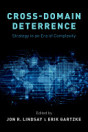
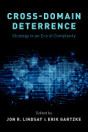
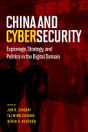
Jon R. Lindsay is Assistant Professor of Digital Media and Global Affairs at the Munk School of Global Affairs and Public Policy and the Department of Political Science at the University of Toronto. He is the co-editor of Cross-Domain Deterrence and China and Cybersecurity. He has served in the US Navy with assignments in Europe, Latin America, and the Middle East. Follow him on X @jonrlindsay.