Fors Clavigera: Restored Classics to Go Edition
About this ebook
About the author
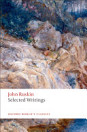
John Ruskin was one of the most influential English writers, critics, and social thinkers of the nineteenth century, born in London to a prosperous family and educated at Oxford before devoting his life to art, architecture, travel, and moral inquiry. He first gained fame as a brilliant interpreter of painting and landscape, but his reputation soon expanded far beyond art criticism as he turned to questions of beauty, labor, economics, education, and the responsibilities of modern society. Over the course of a long and unusually prolific career, he wrote with passionate conviction about the relationship between nature and human creativity, the ethical duties of wealth, and the spiritual cost of industrialization. His later social writings, especially his letters addressed to working people, reveal a reformer deeply concerned with dignity, justice, and the conditions of ordinary life. Ruskin's central themes—care for the natural world, the value of craftsmanship, the moral meaning of work, and the need to resist dehumanizing systems—remain strikingly relevant today in an age still wrestling with inequality, environmental strain, and the pace of mechanized life. His legacy endures not only in art history and architectural thought, but also in broader debates about how societies should balance profit with beauty, efficiency with humanity, and progress with conscience. Readers who enjoy eloquent prose, thoughtful social criticism, and writing that joins aesthetics to ethics will find Ruskin especially rewarding.