About this ebook
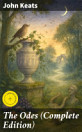
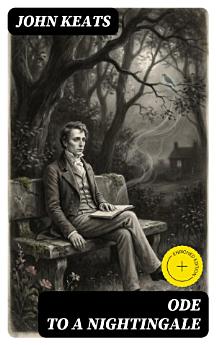
In "Ode to a Nightingale," John Keats masterfully intertwines themes of transience, mortality, and the quest for beauty within the ephemeral nature of life. The poem employs rich imagery and lush sensory detail, inviting readers into a world where the nightingale's song serves as a symbol of artistic transcendence and the longing for immortality. Keats's use of vivid metaphors and emotive language demonstrates the Romantic literary style, characterized by an emphasis on emotion and nature, while engaging in a contemplative dialogue on the juxtaposition of life and death, art and reality. John Keats, an emblematic figure of the Romantic movement, drew inspiration from his own experiences with loss, illness, and the fleeting nature of joy. His profound sensitivity to beauty and the human condition is evident in the deeply personal and philosophical inquiries presented in this ode. Keats's struggles with his own health and the premature deaths of loved ones, coupled with his fervent appreciation for art, culminate in this poignant reflection on the dark folds of existence and the redemptive power of imagination. This timeless poem is highly recommended for anyone interested in exploring the complexities of human emotions in the face of mortality. "Ode to a Nightingale" not only enriches the reader's understanding of Romantic ideals but also resonates on a personal level, offering solace and inspiration through its exploration of beauty amidst despair. In this enriched edition, we have carefully created added value for your reading experience: - An Introduction draws the threads together, discussing why these diverse authors and texts belong in one collection. - Historical Context explores the cultural and intellectual currents that shaped these works, offering insight into the shared (or contrasting) eras that influenced each writer. - A combined Synopsis (Selection) briefly outlines the key plots or arguments of the included pieces, helping readers grasp the anthology's overall scope without giving away essential twists. - A collective Analysis highlights common themes, stylistic variations, and significant crossovers in tone and technique, tying together writers from different backgrounds. - Reflection questions encourage readers to compare the different voices and perspectives within the collection, fostering a richer understanding of the overarching conversation.
In "Ode to a Nightingale," John Keats masterfully intertwines themes of transience, mortality, and the quest for beauty within the ephemeral nature of life. The poem employs rich imagery and lush sensory detail, inviting readers into a world where the nightingale's song serves as a symbol of arti...
About the author
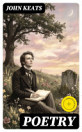
John Keats (1795–1821) was one of the most prominent poets of the early 19th century, a significant figure in the Romantic movement, known for his lyrical and evocative poetry that explores beauty, love, and mortality. In his brief life, Keats composed a body of work that has endured as a cornerstone of English literature. Notably, his 1819 composition 'Ode to a Nightingale' stands as a testament to his masterful use of imagery and reflects his deep philosophical musings on the transient nature of joy and the eternal allure of art. Keats' literary style is characterized by its rich sensory language, classical references, and contemplative tone. Despite his work receiving mixed reviews during his lifetime, his posthumous reputation grew, and he is now regarded as one of the greats of the English Romantic poets. Keats' other works such as 'Endymion,' 'The Eve of St. Agnes,' and 'La Belle Dame sans Merci' further exhibit the passionate intensity and sublime craftsmanship that define his poetic voice. His career was tragically cut short by tuberculosis at the age of 25, yet he left a legacy that continues to inspire and captivate readers today.
John Keats (1795–1821) was one of the most prominent poets of the early 19th century, a significant figure in the Romantic movement, known for his lyrical and evocative poetry that explores beauty, love, and mortality. In his brief life, Keats composed a body of work that has endured as a corners...
Rate this ebook
Tell us what you think.
Reading information
Smartphones and tablets
Install the Google Play Books app for Android and iPad/iPhone. It syncs automatically with your account and allows you to read online or offline wherever you are.
Laptops and computers
You can listen to audiobooks purchased on Google Play using your computer's web browser.
eReaders and other devices
To read on e-ink devices like Kobo eReaders, you'll need to download a file and transfer it to your device. Follow the detailed Help Center instructions to transfer the files to supported eReaders.