Accepting the Universe: Restored Classics to Go Edition
About this ebook
About the author
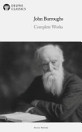
John Burroughs was an American naturalist, essayist, and one of the most beloved literary voices to emerge from the nineteenth-century fascination with the natural world. Born in rural New York in 1837, he grew up amid farms, forests, and river landscapes that would shape both his imagination and his lifelong devotion to observing nature closely and writing about it with clarity and affection. After years working as a teacher, clerk, and Treasury Department employee in Washington, he gradually established himself as a distinctive essayist whose prose blended keen observation, philosophical reflection, and a deep sense of wonder. His books and essays helped define American nature writing, making the outdoors feel not remote or merely scientific, but intimate, morally restorative, and spiritually rich. Burroughs often wrote about birds, woods, seasons, and the rhythms of country life, but beneath that attention to detail ran larger themes of simplicity, self-reliance, patience, and the need to live in harmony with the natural world. He was also a thoughtful observer of modern life, and his work frequently weighs the costs of haste, materialism, and overcivilization against the quiet wisdom found in nature. That balance of lyrical beauty and practical insight still feels remarkably contemporary in an age of environmental concern and constant distraction. Burroughs's legacy endures because he taught generations of readers to look more carefully, think more deeply, and feel more fully at home in the world around them. His essays remain especially rewarding for readers who love nature writing, reflective prose, and books that offer both calm and intellectual companionship.