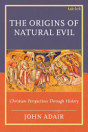
The Origins of Natural Evil: Christian Perspectives Through History
Apr 2026 · Bloomsbury Publishing USA
star
1 review
Ebook
184
Pages
About this ebook
This book presents a historical overview of how Christians have described and negotiated the causes of natural evil.
Within the context of his study, John Adair defines natural evil as evils that are not an obvious, direct result of moral compromise initiated by the free choice of a moral agent, but rather stem from nature itself-e.g., natural disasters, illness, or loss of life. While historical Christian communities' justifications for and responses to natural evil has evolved over time, Adair traces how Christian theodicy rests on a firm commitment to God's goodness. Across seven chapters, this book narrates this evolution of thought, focusing on key figures in history who illustrate the theological continuity around God's goodness. In doing so, Adair builds a theological conversation, prompting readers to consider the collective weight of this historic response to questions of natural evil and query how a response which affirms God's goodness might impact our own reactions to questions of God's relation to the horrors of our daily lives.
Within the context of his study, John Adair defines natural evil as evils that are not an obvious, direct result of moral compromise initiated by the free choice of a moral agent, but rather stem from nature itself-e.g., natural disasters, illness, or loss of life. While historical Christian communities' justifications for and responses to natural evil has evolved over time, Adair traces how Christian theodicy rests on a firm commitment to God's goodness. Across seven chapters, this book narrates this evolution of thought, focusing on key figures in history who illustrate the theological continuity around God's goodness. In doing so, Adair builds a theological conversation, prompting readers to consider the collective weight of this historic response to questions of natural evil and query how a response which affirms God's goodness might impact our own reactions to questions of God's relation to the horrors of our daily lives.
This book presents a historical overview of how Christians have described and negotiated the causes of natural evil.
Within the context of his study, John Adair defines natural evil as evils that are not an obvious, direct result of moral compromise initiated by the free choice of a moral agent, ...
Discover more
Ratings and reviews
1 review
About the author
John Adair is Professor of Theological Studies at Dallas Theological Seminary.
John Adair is Professor of Theological Studies at Dallas Theological Seminary.
Rate this ebook
Tell us what you think.
Reading information
Smartphones and tablets
Install the Google Play Books app for Android and iPad/iPhone. It syncs automatically with your account and allows you to read online or offline wherever you are.
Laptops and computers
You can listen to audiobooks purchased on Google Play using your computer's web browser.
eReaders and other devices
To read on e-ink devices like Kobo eReaders, you'll need to download a file and transfer it to your device. Follow the detailed Help Center instructions to transfer the files to supported eReaders.