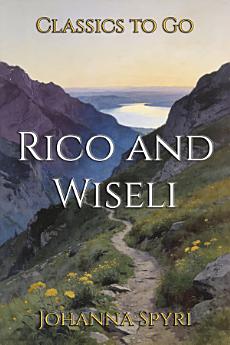
Rico and Wiseli: Restored Classics to Go Edition
About this ebook
Discover more
About the author
Johanna Spyri was a Swiss writer whose life was shaped by the landscapes, customs, and moral sensibilities of nineteenth-century Switzerland. Born in 1827 in a village near Zurich, she grew up in a cultivated but emotionally demanding household, later married a lawyer, and came to writing after years spent balancing family responsibilities, personal loss, and a deepening interest in the lives of children. She began publishing relatively late, yet went on to become one of the most beloved authors in German-language children's literature. Her fiction is especially admired for its clear-eyed sympathy, its vivid rural settings, and its focus on young people navigating hardship, loneliness, and moral growth. In works such as her best-known stories, she explored themes of resilience, compassion, faith, family bonds, and the healing power of nature, all of which still resonate strongly today. Spyri's writing endures because it treats children's inner lives with seriousness while offering comfort without sentimentality, making her a lasting voice for readers who value both emotional honesty and hope. Her legacy continues in the many adaptations and re-readings of her work, which speak to modern concerns about belonging, care, and the importance of kindness across social divides. Readers who enjoy classic children's fiction, heartfelt coming-of-age stories, and richly imagined rural worlds will find Johanna Spyri especially rewarding.