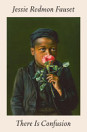
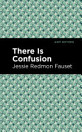
There Is Confusion: Restored Classics to Go Edition
About this ebook
Discover more
About the author
Jessie Redmon Fauset was a pioneering American writer, editor, educator, and literary critic whose life helped shape the Harlem Renaissance and broaden the possibilities for Black women in literature. Born in 1882 in Pennsylvania and educated at Cornell University, she went on to teach French before becoming a powerful literary force in New York, where she served for years as literary editor of The Crisis, the magazine of the NAACP. In that role, she championed emerging Black writers and helped bring major voices into public view, while also building her own reputation as a novelist of intelligence, nuance, and social insight. Her fiction is especially admired for its focus on educated Black middle-class life, the pressures of respectability, colorism, gender expectations, ambition, and the search for self-definition in a racially divided society. She wrote with clarity and emotional precision about the inner lives of women navigating love, work, family, and identity, giving readers a fuller and more complex picture of Black experience than mainstream literature often allowed. Fauset's work remains relevant today because it speaks to enduring questions about representation, class, race, and the costs of fitting oneself into other people's expectations. Her legacy is not only that of a gifted novelist but also of a cultural gatekeeper who helped create space for others to be heard. Readers who enjoy thoughtful, character-driven fiction about identity, social change, and the private struggles behind public success will find her especially rewarding.