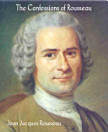
The Confessions Of Jean Jacques Rousseau
About this ebook
With remarkable honesty and self-examination, Rousseau reflects on his emotions, beliefs, mistakes, and experiences, offering readers a unique insight into the mind of one of the Enlightenment’s most important thinkers. The work explores themes of identity, memory, morality, society, and the search for personal truth. Considered a landmark in autobiographical writing, The Confessions remains a significant work for its psychological depth and revolutionary approach to self-expression.
Discover more
About the author
Jean-Jacques Rousseau (1712–1778) was a Swiss-born philosopher, writer, and composer whose ideas greatly influenced the Enlightenment and modern political thought. He is best known for his works on education, society, human nature, and individual freedom, including The Social Contract, Émile, and The Confessions. Rousseau’s writings explored the relationship between the individual and society and contributed to discussions that shaped modern democracy and Romantic literature. His autobiography, The Confessions, is considered one of the earliest and most influential works of personal memoir, known for its honesty, self-reflection, and psychological depth.