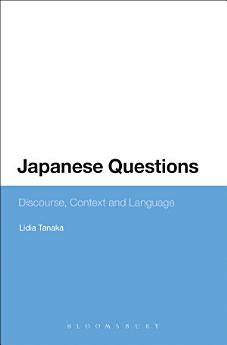
Japanese Questions: Discourse, Context and Language
វិច្ឆិកា 2014 · Bloomsbury Publishing
សៀវភៅអេឡិចត្រូនិច
264
ទំព័រ
អំពីសៀវភៅអេឡិចត្រូនិកនេះ
Questions and interrogatives in Japanese discourse have attracted considerable interest from grammarians, but the communicative aspect has received little attention. This book fills this gap. Through detailed analyses of formal and informal interactions, this book demonstrates that the inherent multi-functional and polysemous aspect of language can also be observed in the use of questions. What emerges is a sense of the considerable variety of question forms and also an understanding of how questions are used to perform a wide range of social actions.
The importance of context is stressed throughout the book; both in guiding the speakers' choices of question types and in helping to create the particular stance that characterizes those interactions.
The data used in this book shows that speakers prefer questions that are not canonical. When speakers do use canonical questions, these are overwhelmingly accompanied by some mollifiers. This phenomenon suggests that in Japanese communication the illocutionary force of canonical questions is too strong. To soften the interaction, speakers tend to use other types of interrogative forms such as statements with rising intonation or, at least, to leave questions grammatically unfinished.
The findings in this book contribute to the understanding of how Japanese speakers use questions in different communicative interactions and provide new evidence of the gap between prescriptive grammar and actual communication.
The importance of context is stressed throughout the book; both in guiding the speakers' choices of question types and in helping to create the particular stance that characterizes those interactions.
The data used in this book shows that speakers prefer questions that are not canonical. When speakers do use canonical questions, these are overwhelmingly accompanied by some mollifiers. This phenomenon suggests that in Japanese communication the illocutionary force of canonical questions is too strong. To soften the interaction, speakers tend to use other types of interrogative forms such as statements with rising intonation or, at least, to leave questions grammatically unfinished.
The findings in this book contribute to the understanding of how Japanese speakers use questions in different communicative interactions and provide new evidence of the gap between prescriptive grammar and actual communication.
Questions and interrogatives in Japanese discourse have attracted considerable interest from grammarians, but the communicative aspect has received little attention. This book fills this gap. Through detailed analyses of formal and informal interactions, this book demonstrates that the inherent m...
អំពីអ្នកនិពន្ធ
Lidia Tanaka is Senior Lecturer and Japanese Program Co-ordinator in the Japanese Program, Faculty of Humanities and Social Sciences, La Trobe University, Australia
Lidia Tanaka is Senior Lecturer and Japanese Program Co-ordinator in the Japanese Program, Faculty of Humanities and Social Sciences, La Trobe University, Australia
វាយតម្លៃសៀវភៅអេឡិចត្រូនិកនេះ
ប្រាប់យើងអំពីការយល់ឃើញរបស់អ្នក។
អានព័ត៌មាន
ទូរសព្ទឆ្លាតវៃ និងថេប្លេត
ដំឡើងកម្មវិធី Google Play Books សម្រាប់ Android និង iPad/iPhone ។ វាធ្វើសមកាលកម្មដោយស្វ័យប្រវត្តិជាមួយគណនីរបស់អ្នក និងអនុញ្ញាតឱ្យអ្នកអានពេលមានអ៊ីនធឺណិត ឬគ្មានអ៊ីនធឺណិតនៅគ្រប់ទីកន្លែង។
កុំព្យូទ័រយួរដៃ និងកុំព្យូទ័រ
អ្នកអាចស្ដាប់សៀវភៅជាសំឡេងដែលបានទិញនៅក្នុង Google Play ដោយប្រើកម្មវិធីរុករកតាមអ៊ីនធឺណិតក្នុងកុំព្យូទ័ររបស់អ្នក។
eReaders និងឧបករណ៍ផ្សេងទៀត
ដើម្បីអាននៅលើឧបករណ៍ e-ink ដូចជាឧបករណ៍អានសៀវភៅអេឡិចត្រូនិក Kobo អ្នកនឹងត្រូវទាញយកឯកសារ ហើយផ្ទេរវាទៅឧបករណ៍របស់អ្នក។ សូមអនុវត្តតាមការណែនាំលម្អិតរបស់មជ្ឈមណ្ឌលជំនួយ ដើម្បីផ្ទេរឯកសារទៅឧបករណ៍អានសៀវភៅអេឡិចត្រូនិកដែលស្គាល់។