Minorities in Independent Namibia

· Minority Rights Group
Ebook
36
Pages
Eligible

About this ebook

Namibia is one of the youngest African states, having gained its independence in 1990 from South Africa. Since then, the South West African People’s Organization (SWAPO)-led government has attempted to heal the divisions of a 25-year liberation war, overcome inequalities, and govern to meet the needs of all of Namibia’s peoples.

Despite its small population of just over 1.8 million, Namibia is home to at least 11 distinct language groups, comprised of numerous self-identifying communities. Roughly half the population are Owambo-speakers, who are closely linked to SWAPO. Herein lie some of the difficulties that are covered in this report.

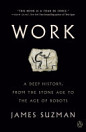
Minorities in Independent Namibia by James Suzman considers the extent to which SWAPO’s attempts at nation-building have favoured some communities over others. In a balanced study, the author documents the constitutional and legal safeguards for minorities in Namibia and discusses the government’s human rights record. The report covers many of Namibia’s ethnic minority communities and topical concerns, including the crackdown on secessionists in Caprivi, the potential impact on the Himba of a proposed dam on the Kunene River, the extreme marginality of the San, the role of traditional authorities and leaders, and women’s equality.

Namibia is one of the youngest African states, having gained its independence in 1990 from South Africa. Since then, the South West African People’s Organization (SWAPO)-led government has attempted to heal the divisions of a 25-year liberation war, overcome inequalities, and govern to meet the n...

Discover more

Rate this ebook

Tell us what you think.

Reading information

Smartphones and tablets
Install the Google Play Books app for Android and iPad/iPhone. It syncs automatically with your account and allows you to read online or offline wherever you are.
Laptops and computers
You can listen to audiobooks purchased on Google Play using your computer's web browser.
eReaders and other devices
To read on e-ink devices like Kobo eReaders, you'll need to download a file and transfer it to your device. Follow the detailed Help Center instructions to transfer the files to supported eReaders.