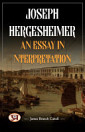
Joseph Hergesheimer: Restored Classics to Go Edition
About this ebook
Discover more
About the author
James Branch Cabell was an American novelist, essayist, and satirist born in Richmond, Virginia, in 1879, whose refined wit and skeptical imagination made him one of the most distinctive voices in early twentieth-century literature. Educated in the traditions of the South yet deeply curious about European literature, myth, and social pretension, he built a career out of turning romance inside out, blending elegance, irony, and philosophical play. Over time he became best known for a body of fiction and criticism that challenged conventional ideas of heroism, morality, and desire, while also revealing a sharp eye for the absurdities of class, vanity, and self-deception. His essays and novels often use fantasy, allegory, and mock-epic style to explore the gap between public ideals and private motives, giving his work a modern edge that still feels surprisingly fresh. Cabell's writing remains relevant because it asks readers to question inherited stories and to recognize how language can both flatter and expose human weakness. His legacy lies in the way he helped expand American literature beyond realism alone, showing that satire and romance could be intellectually serious as well as entertaining. Readers who enjoy elegant prose, literary irony, and stories that reward close attention will find much to admire in Cabell, especially those drawn to authors who delight in wit while probing the deeper contradictions of human nature.