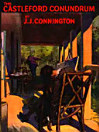
The Dangerfield Talisman: Restored Classics to Go Edition
About this ebook
Discover more
About the author
J. J. Connington was the pen name of Alfred Walter Stewart, a Scottish chemist turned novelist whose sharp intelligence and meticulous eye for detail gave his detective fiction a distinctive edge. Born in 1880 and educated in the sciences, he brought an analytical precision to his writing that helped him become one of the notable voices of the golden age of mystery fiction. Over the course of his career, he produced a substantial body of crime novels and puzzles, earning admiration for his carefully constructed plots, atmospheric settings, and ingenious clues. His stories often revolve around rational inquiry, hidden motives, and the tension between appearances and reality, reflecting both the pleasures of classic detection and the era's fascination with logic as a path to truth. What makes his work still relevant today is its balance of intellectual challenge and human psychology: beneath the intricate machinery of the mystery lies an awareness of fear, greed, loyalty, and deception that still feels recognizably modern. Connington's legacy endures in the way he helped refine the cerebral detective novel, offering readers the satisfaction of a fair puzzle while also revealing the fragile social worlds in which such crimes occur. He is especially likely to appeal to readers who enjoy classic whodunits, elegant plotting, and mysteries that reward close attention.