關於本電子書
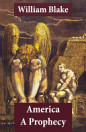
The poem was inspired by the apocryphal story that a young Jesus, accompanied by his uncle Joseph of Arimathea, a tin merchant, travelled to what is now England and visited Glastonbury during the unknown years of Jesus. The legend is linked to an idea in the Book of Revelation describing a Second Coming, wherein Jesus establishes a new Jerusalem. The Christian Church in general, and the English Church in particular, has long used Jerusalem as a metaphor for Heaven, a place of universal love and peace. In the most common interpretation of the poem, Blake implies that a visit by Jesus would briefly create heaven in England, in contrast to the "dark Satanic Mills" of the Industrial Revolution. Blake's poem asks questions rather than asserting the historical truth of Christ's visit. Thus the poem merely implies that there may, or may not, have been a divine visit, when there was briefly heaven in England. William Blake (1757 – 1827) was a British poet, painter, visionary mystic, and engraver, who illustrated and printed his own books. Blake proclaimed the supremacy of the imagination over the rationalism and materialism of the 18th-century. Largely unrecognised during his lifetime, Blake is now considered a seminal figure in the history of both the poetry and visual arts of the Romantic Age.
The poem was inspired by the apocryphal story that a young Jesus, accompanied by his uncle Joseph of Arimathea, a tin merchant, travelled to what is now England and visited Glastonbury during the unknown years of Jesus. The legend is linked to an idea in the Book of Revelation describing a Second...
瀏覽更多書籍
為這本電子書評分
歡迎提供意見。
閱讀資訊
智慧型手機與平板電腦
筆記型電腦和電腦
你可以使用電腦的網路瀏覽器聆聽你在 Google Play 購買的有聲書。
電子書閱讀器與其他裝置
如要在 Kobo 電子閱讀器這類電子書裝置上閱覽書籍,必須將檔案下載並傳輸到該裝置上。請按照說明中心的詳細操作說明,將檔案傳輸到支援的電子閱讀器上。