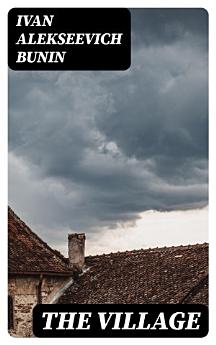
The Village
Ivan Alekseevich Bunin
Sep 2022 · DigiCat
Ebook
172
Pages
family_home
Eligible
info
About this ebook
In "The Village," Ivan Alekseevich Bunin embarks on a poignant exploration of rural Russian life, delving deep into the societal and psychological intricacies of village existence in the early 20th century. With a lyrical yet stark prose style, Bunin captures the beauty and hardship of the Russian countryside, employing rich imagery and nuanced characterizations that elevate the narrative beyond mere observation to profound reflection. The novel is steeped in the context of post-imperial Russia, where tradition collides with the encroaching modernity of the urban world, encapsulating the tension between nostalgia and the relentless march of change. Bunin, a Nobel Prize-winning author, emerged from a literary tradition that valued realism and poetic language. Born in 1870 in the Oryol Province, his life experiences in the rural landscape undoubtedly shaped his perspective and storytelling. His deep appreciation for nature and the life of the peasant class is evident throughout his work, particularly in "The Village," which serves as both a tribute to and a lament for a way of life threatened by modernity and upheaval. This novel is essential for readers seeking a profound understanding of the roots of Russian culture and the complexity of human emotion within societal frameworks. Bunin's intimate portrayal of village life invites reflection on the universal themes of love, loss, and the inexorable passage of time, making it a compelling read for those who appreciate literary depth and historical insight.
In "The Village," Ivan Alekseevich Bunin embarks on a poignant exploration of rural Russian life, delving deep into the societal and psychological intricacies of village existence in the early 20th century. With a lyrical yet stark prose style, Bunin captures the beauty and hardship of the Russia...
Discover more
About the author
Ivan Alekseevich Bunin (1870–1953) was a renowned Russian writer and poet, distinguished as the first Russian to be awarded the Nobel Prize for Literature in 1933. His works are often praised for their stylistic precision, depth of insight, and evocative descriptions of Russian life and landscapes. Bunin originated from the old noble Orel province and began publishing poetry at a young age, with his first collection appearing in 1891. His literary career spanned several tumultuous epochs in Russian history, including the fall of the Russian Empire and the ensuing Soviet Union's rise, influencing Bunin's themes of social decay and personal loss. 'The Village' (1910) is one of Bunin's most significant works, offering a stark portrayal of life in the Russian countryside at the beginning of the 20th century. The novel's raw depiction of peasant life departed from glorified narratives, revealing a more somber and, at times, brutal reality. His narrative technique combined lyrical prose with a clear, unromanticized vision, which has often placed him alongside Anton Chekhov and Leo Tolstoy in the pantheon of Russian literature's greats. Beyond 'The Village,' Bunin authored numerous revered short stories, poems, and novels, crafting a legacy of work that echoes his staunch dedication to the aesthetic and moral ideals he esteemed.
Ivan Alekseevich Bunin (1870–1953) was a renowned Russian writer and poet, distinguished as the first Russian to be awarded the Nobel Prize for Literature in 1933. His works are often praised for their stylistic precision, depth of insight, and evocative descriptions of Russian life and landscape...
Rate this ebook
Tell us what you think.
Reading information
Smartphones and tablets
Install the Google Play Books app for Android and iPad/iPhone. It syncs automatically with your account and allows you to read online or offline wherever you are.
Laptops and computers
You can listen to audiobooks purchased on Google Play using your computer's web browser.
eReaders and other devices
To read on e-ink devices like Kobo eReaders, you'll need to download a file and transfer it to your device. Follow the detailed Help Center instructions to transfer the files to supported eReaders.