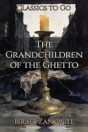
Ghetto Tragedies: Restored Classics to Go Edition
About this ebook
Discover more
About the author
Israel Zangwill was a British Jewish writer, journalist, playwright, and social thinker whose life moved between the worlds of immigrant London, radical politics, and literary fame. Born in 1864 to a family of Jewish immigrants, he was educated in London and went on to become one of the most distinctive voices of late Victorian and Edwardian letters. He first gained attention as a sharp observer of urban life and Jewish experience, and over time he built a wide-ranging career that included fiction, essays, drama, and public commentary. His most important achievements lie in the way he brought the realities of Jewish identity, assimilation, exile, prejudice, and belonging into the center of English literature, giving voice to communities often treated as marginal or invisible. Across his work, Zangwill explored the tensions between tradition and modernity, the pain of displacement, the hope of social justice, and the search for dignity in a changing world. These themes remain strikingly relevant today, especially in conversations about migration, minority identity, nationalism, and cultural belonging. Zangwill's legacy endures because he combined wit, compassion, and moral urgency, helping to expand the imaginative reach of English literature while insisting that the lives of outsiders matter. Readers who enjoy socially conscious fiction, historical insight, and stories shaped by questions of identity and justice will find him especially rewarding.