អំពីសៀវភៅអេឡិចត្រូនិកនេះ
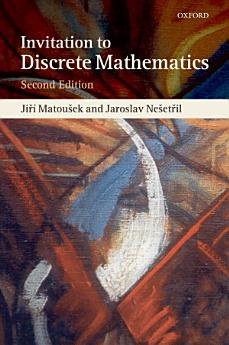
This book is a clear and self-contained introduction to discrete mathematics. Aimed mainly at undergraduate and early graduate students of mathematics and computer science, it is written with the goal of stimulating interest in mathematics and an active, problem-solving approach to the presented material. The reader is led to an understanding of the basic principles and methods of actually doing mathematics (and having fun at that). Being more narrowly focused than many discrete mathematics textbooks and treating selected topics in an unusual depth and from several points of view, the book reflects the conviction of the authors, active and internationally renowned mathematicians, that the most important gain from studying mathematics is the cultivation of clear and logical thinking and habits useful for attacking new problems. More than 400 enclosed exercises with a wide range of difficulty, many of them accompanied by hints for solution, support this approach to teaching. The readers will appreciate the lively and informal style of the text accompanied by more than 200 drawings and diagrams. Specialists in various parts of science with a basic mathematical education wishing to apply discrete mathematics in their field can use the book as a useful source, and even experts in combinatorics may occasionally learn from pointers to research literature or from presentations of recent results. Invitation to Discrete Mathematics should make a delightful reading both for beginners and for mathematical professionals. The main topics include: elementary counting problems, asymptotic estimates, partially ordered sets, basic graph theory and graph algorithms, finite projective planes, elementary probability and the probabilistic method, generating functions, Ramsey's theorem, and combinatorial applications of linear algebra. General mathematical notions going beyond the high-school level are thoroughly explained in the introductory chapter. An appendix summarizes the undergraduate algebra needed in some of the more advanced sections of the book.
This book is a clear and self-contained introduction to discrete mathematics. Aimed mainly at undergraduate and early graduate students of mathematics and computer science, it is written with the goal of stimulating interest in mathematics and an active, problem-solving approach to the presented ...
ស្វែងរកច្រើនទៀត
ការដាក់ផ្កាយ និងមតិវាយតម្លៃ
ការវាយតម្លៃ 1
អំពីអ្នកនិពន្ធ
Ji%rí Matoušek received his PhD in Mathematics from the Charles University in Prague in 1990 and is now Professor of Computer Science at Charles University Prague. He has held several visiting positions at universities in the U.S., Germany, Switzerland, Japan, and other countries. Humboldt Research Fellow in 1992 (Free University Berlin). Prize for Young Mathematicians of the 2nd European Congress of Mathematics in Budapest in 1996, speaker at the ICM 1998.; Jaroslav Nešet%ril received his PhD from the Charles University in Prague in 1975 and is now Professor of Mathematics at Charles University Prague. He has held several visiting positions abroad (U.S.A., Canada, Germany). Currently he is the head of the Centre for Theoretical Computer Science (ITI) at Charles University and the director of the international center for Discrete Mathematics, Theoretical Computer Science and Their Applications (DIMATIA).
Ji%rí Matoušek received his PhD in Mathematics from the Charles University in Prague in 1990 and is now Professor of Computer Science at Charles University Prague. He has held several visiting positions at universities in the U.S., Germany, Switzerland, Japan, and other countries. Humboldt Resear...
វាយតម្លៃសៀវភៅអេឡិចត្រូនិកនេះ
ប្រាប់យើងអំពីការយល់ឃើញរបស់អ្នក។
អានព័ត៌មាន
ទូរសព្ទឆ្លាតវៃ និងថេប្លេត
ដំឡើងកម្មវិធី Google Play Books សម្រាប់ Android និង iPad/iPhone ។ វាធ្វើសមកាលកម្មដោយស្វ័យប្រវត្តិជាមួយគណនីរបស់អ្នក និងអនុញ្ញាតឱ្យអ្នកអានពេលមានអ៊ីនធឺណិត ឬគ្មានអ៊ីនធឺណិតនៅគ្រប់ទីកន្លែង។
កុំព្យូទ័រយួរដៃ និងកុំព្យូទ័រ
អ្នកអាចស្ដាប់សៀវភៅជាសំឡេងដែលបានទិញនៅក្នុង Google Play ដោយប្រើកម្មវិធីរុករកតាមអ៊ីនធឺណិតក្នុងកុំព្យូទ័ររបស់អ្នក។
eReaders និងឧបករណ៍ផ្សេងទៀត
ដើម្បីអាននៅលើឧបករណ៍ e-ink ដូចជាឧបករណ៍អានសៀវភៅអេឡិចត្រូនិក Kobo អ្នកនឹងត្រូវទាញយកឯកសារ ហើយផ្ទេរវាទៅឧបករណ៍របស់អ្នក។ សូមអនុវត្តតាមការណែនាំលម្អិតរបស់មជ្ឈមណ្ឌលជំនួយ ដើម្បីផ្ទេរឯកសារទៅឧបករណ៍អានសៀវភៅអេឡិចត្រូនិកដែលស្គាល់។


