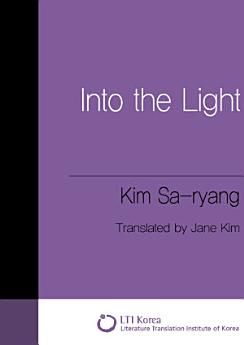
Into the Light

┬╖ 20th Century Korean Literature ┬╖ Literature Translation Institute of Korea
13рмЯрм┐ рм╕рморнАрмХрнНрм╖рм╛
рмЗрммрнБрмХрнН
63
рмкрнГрм╖рнНрмарм╛рмЧрнБрнЬрм┐рмХ
рмЙрмкрмХрм░рмгрмЧрнБрмбрм┐рмХ

рмПрм╣рм┐ рмЗрммрнБрмХрнН рммрм┐рм╖рнЯрм░рнЗ

┬аIn тАЬInto the Light,тАЭ which can be considered his greatest short story, Kim Sa-ryang accurately depicts the troubles of the main character тАЬNamтАЭ as he struggles to overcome the hardships of his life under oppression. Written in Japanese, this piece was first published in Japan in 1939. A candidate for the Akutagawa Award in 1940, it was even carried in Spring and Autumn Literature (Munye Choonchu). This work is a masterpiece that accurately details the discrimination and sorrow experienced by colonized Koreans living in Japan, the duplicity and distorted desire of Koreans who were trying to hide their Korean identity, and the immutable, yearning for oneтАЩs Korean mother. This is shown through the life of mixed-blood Haruo, who is born of a Korean mother and a Japanese father, and the relationship that he has with a Korean male teacher. In short, it can be said that тАЬInto the LightтАЭ impressively draws out the pain and oppression of the Korean-Japanese living in Japan during that period. This is the very reason that this work has received such high regard in the history of modern Korean novels.
In тАЬInto the Light,тАЭ which can be considered his greatest short story, Kim Sa-ryang accurately depicts the troubles of the main character тАЬNamтАЭ as he struggles to overcome the hardships of his life under oppression. Written in Japanese, this piece was first published in Japan in 1939. A candidat...

рмЕрмзрм┐рмХ рмбрм┐рм╕рнНрмХрмнрм░ рмХрм░рмирнНрмдрнБ

рморнВрм▓рнНрнЯрм╛рмЩрнНрмХрми рмУ рм╕рморнАрмХрнНрм╖рм╛

13рмЯрм┐ рм╕рморнАрмХрнНрм╖рм╛

рм▓рнЗрмЦрмХрмЩрнНрмХ рммрм┐рм╖рнЯрм░рнЗ

┬аKim Sa-ryangтАЩs (1914~1950) real name is Shi-chang and he was born in 1914 in Pyeongyang, South Pyeongan Province. In 1931, after being expelled for leading a class boycott during his fifth year at Pyongyang Normal High School, he went to Japan and attended Saka High School, and then graduated from Tokyo National University in German literature. When he returned to Korea in 1943, he was sent to China as a reporter in the Japanese Army but he escaped to the coast, working as a reporter in the Korean Volunteer Army under the Chinese National Revolutionary Army and returned to Korea at the time of its independence. After KoreaтАЩs independence he was active in North Korea, and as the Korean War broke out, he participated as a war writer in the North Korean PeopleтАЩs Army. He died in 1950 in the Wonju region while retreating north with the North Korean PeopleтАЩs Army from the US ArmyтАЩs Operation Chromite.

Kim Sa-ryangтАЩs literary activities started after his enrollment at Tokyo National University when he was studying German literature. In 1936, he published his first piece, тАЬToe Seong RangтАЭ which was written in Japanese in the literary coterie magazine The River Bank (Jaebang). Upon his return to Korea after graduation, the publication of his short story тАЬInto the LightтАЭ (Bitsokae) (1939) brought him wide recognition for his creative talent. His main works during the Japanese Colonial Period include writings, such as the short story тАЬPegasusтАЭ (Cheonma) and the full-length novel тАЬTaebaek Mountain RangeтАЭ (Taebaek Sanmaek). He wrote тАЬOld Horse Ten Thousand liтАЭ (Noma Manri) (1945) in China. Despite the fact that most of his works are published in Japanese, they are highly regarded for their elaborate projection of the nationтАЩs reality of the time and the portrayal of the Korean peopleтАЩs deep-rooted pain that existed due to imperial colonization.
Kim Sa-ryangтАЩs (1914~1950) real name is Shi-chang and he was born in 1914 in Pyeongyang, South Pyeongan Province. In 1931, after being expelled for leading a class boycott during his fifth year at Pyongyang Normal High School, he went to Japan and attended Saka High School, and then graduated fr...

рмПрм╣рм┐ рмЗрммрнБрмХрнНтАНрмХрнБ рморнВрм▓рнНрнЯрм╛рмЩрнНрмХрми рмХрм░рмирнНрмдрнБ

рмЖрмкрмг рмХрмг рмнрм╛рммрнБрмЫрмирнНрмдрм┐ рмдрм╛рм╣рм╛ рмЖрмормХрнБ рмЬрмгрм╛рмирнНрмдрнБред

рмкрнЭрм┐рммрм╛ рмкрм╛рмЗрмБ рмдрмернНрнЯ

рм╕рнНрморм╛рм░рнНрмЯрмлрнЛрми рмУ рмЯрм╛рммрм▓рнЗрмЯ
Google Play Books рмЖрмкрнНрмХрнБ, Android рмУ iPad/iPhone рмкрм╛рмЗрмБ рмЗрмирм╖рнНрмЯрм▓рнН рмХрм░рмирнНрмдрнБред рмПрм╣рм╛ рм╕рнНрм╡рмЪрм╛рм│рм┐рмд рмнрм╛рммрнЗ рмЖрмкрмгрмЩрнНрмХ рмЖрмХрм╛рмЙрмгрнНрмЯрм░рнЗ рм╕рм┐рмЩрнНрмХ рм╣рнЛтАНрмЗрмпрм┐рмм рмПрммрмВ рмЖрмкрмг рмпрнЗрмЙрмБрмарм┐ рмерм╛рмЖрмирнНрмдрнБ рмирм╛ рмХрм╛рм╣рм┐рмБрмХрм┐ рмЖрмирм▓рм╛рмЗрмирнН рмХрм┐рморнНрммрм╛ рмЕрмлрм▓рм╛рмЗрмирнНтАНрм░рнЗ рмкрнЭрм┐рммрм╛ рмкрм╛рмЗрмБ рмЕрмирнБрмормдрм┐ рмжрнЗрммред
рм▓рм╛рмкрмЯрмк рмУ рмХрморнНрмкрнНрнЯрнБрмЯрм░
рмирм┐рмЬрм░ рмХрморнНрмкрнНрнЯрнБрмЯрм░рнНтАНрм░рнЗ рмерм┐рммрм╛ рн▒рнЗрммрнН рммрнНрм░рм╛рмЙрмЬрм░рнНтАНрмХрнБ рммрнНрнЯрммрм╣рм╛рм░ рмХрм░рм┐ Google Playрм░рнБ рмХрм┐рмгрм┐рмерм┐рммрм╛ рмЕрмбрм┐рмУрммрнБрмХрнНтАНрмХрнБ рмЖрмкрмг рм╢рнБрмгрм┐рмкрм╛рм░рм┐рммрнЗред
рмЗ-рм░рм┐рмбрм░рнН рмУ рмЕрмирнНрнЯ рмбрм┐рмнрм╛рмЗрм╕рнНтАНрмЧрнБрнЬрм┐рмХ
Kobo eReaders рмкрм░рм┐ e-ink рмбрм┐рмнрм╛рмЗрм╕рмЧрнБрмбрм╝рм┐рмХрм░рнЗ рмкрмврм╝рм┐рммрм╛ рмкрм╛рмЗрмБ, рмЖрмкрмгрмЩрнНрмХрнБ рмПрмХ рмлрм╛рмЗрм▓ рмбрм╛рмЙрмирм▓рнЛрмб рмХрм░рм┐ рмПрм╣рм╛рмХрнБ рмЖрмкрмгрмЩрнНрмХ рмбрм┐рмнрм╛рмЗрм╕рмХрнБ рмЯрнНрм░рм╛рмирнНрм╕рмлрм░ рмХрм░рм┐рммрм╛рмХрнБ рм╣рнЗрммред рм╕рморм░рнНрмерм┐рмд eReadersрмХрнБ рмлрм╛рмЗрм▓рмЧрнБрмбрм╝рм┐рмХ рмЯрнНрм░рм╛рмирнНрм╕рмлрм░ рмХрм░рм┐рммрм╛ рмкрм╛рмЗрмБ рм╕рм╣рм╛рнЯрмдрм╛ рмХрнЗрмирнНрмжрнНрм░рм░рнЗ рмерм┐рммрм╛ рм╕рммрм┐рм╢рнЗрм╖ рмирм┐рм░рнНрмжрнНрмжрнЗрм╢рм╛рммрм│рнАрмХрнБ рмЕрмирнБрм╕рм░рмг рмХрм░рмирнНрмдрнБред