Informacje o e-booku
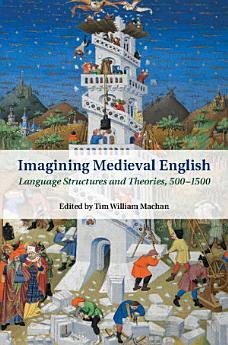
Imagining Medieval English is concerned with how we think about language, and simply through the process of thinking about it, give substance to an array of phenomena, including grammar, usage, variation, change, regional dialects, sociolects, registers, periodization, and even language itself. Leading scholars in the field explore conventional conceptualizations of medieval English, and consider possible alternatives and their implications for cultural as well as linguistic history. They explore not only the language's structural traits, but also the sociolinguistic and theoretical expectations that frame them and make them real. Spanning the period from 500 to 1500, and drawing on a wide range of examples, the chapters discuss topics such as medieval multilingualism, colloquial medieval English, standard and regional varieties, and the post-medieval reception of Old and Middle English. Together, they argue that what medieval English is, depends, in part, on who's looking at it, how, when and why.
Imagining Medieval English is concerned with how we think about language, and simply through the process of thinking about it, give substance to an array of phenomena, including grammar, usage, variation, change, regional dialects, sociolects, registers, periodization, and even language itself. L...
Zobacz więcej
O autorze
Tim William Machan is Professor of English at the University of Notre Dame, Indiana. He has published extensively on historical linguistics, medieval English, and Old Norse, with a particular focus on language contact and change. His most recent books include What Is English? And Why Should We Care? (2013) and Language Anxiety: Conflict and Change in the History of English (2009).
Tim William Machan is Professor of English at the University of Notre Dame, Indiana. He has published extensively on historical linguistics, medieval English, and Old Norse, with a particular focus on language contact and change. His most recent books include What Is English? And Why Should We Ca...
Oceń tego e-booka
Podziel się z nami swoją opinią.
Informacje o czytaniu
Smartfony i tablety
Zainstaluj aplikację Książki Google Play na Androida i iPada/iPhone'a. Synchronizuje się ona automatycznie z kontem i pozwala na czytanie w dowolnym miejscu, w trybie online i offline.
Laptopy i komputery
Audiobooków kupionych w Google Play możesz słuchać w przeglądarce internetowej na komputerze.
Czytniki e-booków i inne urządzenia
Aby czytać na e-papierze, na czytnikach takich jak Kobo, musisz pobrać plik i przesłać go na swoje urządzenie. Aby przesłać pliki na obsługiwany czytnik, postępuj zgodnie ze szczegółowymi instrukcjami z Centrum pomocy.