Información sobre este eBook
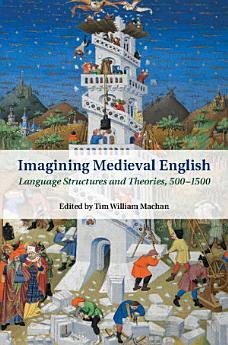
Imagining Medieval English is concerned with how we think about language, and simply through the process of thinking about it, give substance to an array of phenomena, including grammar, usage, variation, change, regional dialects, sociolects, registers, periodization, and even language itself. Leading scholars in the field explore conventional conceptualizations of medieval English, and consider possible alternatives and their implications for cultural as well as linguistic history. They explore not only the language's structural traits, but also the sociolinguistic and theoretical expectations that frame them and make them real. Spanning the period from 500 to 1500, and drawing on a wide range of examples, the chapters discuss topics such as medieval multilingualism, colloquial medieval English, standard and regional varieties, and the post-medieval reception of Old and Middle English. Together, they argue that what medieval English is, depends, in part, on who's looking at it, how, when and why.
Imagining Medieval English is concerned with how we think about language, and simply through the process of thinking about it, give substance to an array of phenomena, including grammar, usage, variation, change, regional dialects, sociolects, registers, periodization, and even language itself. L...
Descubre más
Acerca del autor
Tim William Machan is Professor of English at the University of Notre Dame, Indiana. He has published extensively on historical linguistics, medieval English, and Old Norse, with a particular focus on language contact and change. His most recent books include What Is English? And Why Should We Care? (2013) and Language Anxiety: Conflict and Change in the History of English (2009).
Tim William Machan is Professor of English at the University of Notre Dame, Indiana. He has published extensively on historical linguistics, medieval English, and Old Norse, with a particular focus on language contact and change. His most recent books include What Is English? And Why Should We Ca...
Valorar este eBook
Danos tu opinión.
Información sobre cómo leer
Smartphones y tablets
Instala la aplicación Google Play Libros para Android y iPad/iPhone. Se sincroniza automáticamente con tu cuenta y te permite leer contenido online o sin conexión estés donde estés.
Ordenadores portátiles y de escritorio
Puedes usar el navegador web del ordenador para escuchar audiolibros que hayas comprado en Google Play.
eReaders y otros dispositivos
Para leer en dispositivos de tinta electrónica, como los lectores de libros electrónicos de Kobo, es necesario descargar un archivo y transferirlo al dispositivo. Sigue las instrucciones detalladas del Centro de Ayuda para transferir archivos a lectores de libros electrónicos compatibles.