Sobre aquest llibre
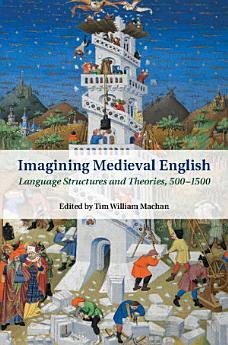
Imagining Medieval English is concerned with how we think about language, and simply through the process of thinking about it, give substance to an array of phenomena, including grammar, usage, variation, change, regional dialects, sociolects, registers, periodization, and even language itself. Leading scholars in the field explore conventional conceptualizations of medieval English, and consider possible alternatives and their implications for cultural as well as linguistic history. They explore not only the language's structural traits, but also the sociolinguistic and theoretical expectations that frame them and make them real. Spanning the period from 500 to 1500, and drawing on a wide range of examples, the chapters discuss topics such as medieval multilingualism, colloquial medieval English, standard and regional varieties, and the post-medieval reception of Old and Middle English. Together, they argue that what medieval English is, depends, in part, on who's looking at it, how, when and why.
Imagining Medieval English is concerned with how we think about language, and simply through the process of thinking about it, give substance to an array of phenomena, including grammar, usage, variation, change, regional dialects, sociolects, registers, periodization, and even language itself. L...
Descobreix-ne més
Sobre l'autor
Tim William Machan is Professor of English at the University of Notre Dame, Indiana. He has published extensively on historical linguistics, medieval English, and Old Norse, with a particular focus on language contact and change. His most recent books include What Is English? And Why Should We Care? (2013) and Language Anxiety: Conflict and Change in the History of English (2009).
Tim William Machan is Professor of English at the University of Notre Dame, Indiana. He has published extensively on historical linguistics, medieval English, and Old Norse, with a particular focus on language contact and change. His most recent books include What Is English? And Why Should We Ca...
Puntua aquest llibre electrònic
Dona'ns la teva opinió.
Informació de lectura
Telèfons intel·ligents i tauletes
Instal·la l'aplicació Google Play Llibres per a Android i per a iPad i iPhone. Aquesta aplicació se sincronitza automàticament amb el compte i et permet llegir llibres en línia o sense connexió a qualsevol lloc.
Ordinadors portàtils i ordinadors de taula
Pots escoltar els audiollibres que has comprat a Google Play amb el navegador web de l'ordinador.
Lectors de llibres electrònics i altres dispositius
Per llegir en dispositius de tinta electrònica, com ara lectors de llibres electrònics Kobo, hauràs de baixar un fitxer i transferir-lo al dispositiu. Segueix les instruccions detallades del Centre d'ajuda per transferir els fitxers a lectors de llibres electrònics compatibles.