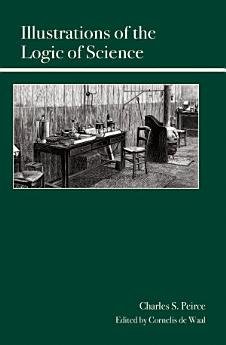
Illustrations of the Logic of Science
ឧសភា 2014 · Open Court
សៀវភៅអេឡិចត្រូនិច
352
ទំព័រ
ឧបករណ៍
info
family_home
មានសិទ្ធិ
info
អំពីសៀវភៅអេឡិចត្រូនិកនេះ
Charles Peirce’s Illustrations of the Logic of Science is an early work in the philosophy of science and the official birthplace of pragmatism. It contains Peirce’s two most influential papers: “The Fixation of Belief” and “How to Make Our Ideas Clear,” as well as discussions on the theory of probability, the ground of induction, the relation between science and religion, and the logic of abduction. Unsatisfied with the result and driven by a constant, almost feverish urge to improve his work, Peirce spent considerable time and effort revising these papers. After the turn of the century these efforts gained significant momentum when Peirce sought to establish his role in the development of pragmatism while distancing himself from the more popular versions that had become current. The present edition brings together the original series as it appeared in Popular Science Monthly and a selection of Peirce’s later revisions, many of which remained hidden in the mass of messy manuscripts that were left behind after his death in 1914.
Charles Peirce’s Illustrations of the Logic of Science is an early work in the philosophy of science and the official birthplace of pragmatism. It contains Peirce’s two most influential papers: “The Fixation of Belief” and “How to Make Our Ideas Clear,” as well as discussions on the theory of pro...
អំពីអ្នកនិពន្ធ
Charles S. Peirce was an American philosopher, logician, mathematician, and scientist, sometimes known as "the father of pragmatism". He was educated as a chemist and employed as a scientist for 30 years. Today he is appreciated largely for his contributions to logic, mathematics, philosophy, scientific methodology, and semiotics, and for his founding of pragmatism.
Cornelis DeWaal: Cornelis DeWaal is an Associate Professor at Indiana University and Purdue University Indianapolis. He is also the Editor-in-Chief of Transactions of the Charles S. Peirce Society.
Cornelis DeWaal: Cornelis DeWaal is an Associate Professor at Indiana University and Purdue University Indianapolis. He is also the Editor-in-Chief of Transactions of the Charles S. Peirce Society.
Charles S. Peirce was an American philosopher, logician, mathematician, and scientist, sometimes known as "the father of pragmatism". He was educated as a chemist and employed as a scientist for 30 years. Today he is appreciated largely for his contributions to logic, mathematics, philosophy, sci...
វាយតម្លៃសៀវភៅអេឡិចត្រូនិកនេះ
ប្រាប់យើងអំពីការយល់ឃើញរបស់អ្នក។
អានព័ត៌មាន
ទូរសព្ទឆ្លាតវៃ និងថេប្លេត
ដំឡើងកម្មវិធី Google Play Books សម្រាប់ Android និង iPad/iPhone ។ វាធ្វើសមកាលកម្មដោយស្វ័យប្រវត្តិជាមួយគណនីរបស់អ្នក និងអនុញ្ញាតឱ្យអ្នកអានពេលមានអ៊ីនធឺណិត ឬគ្មានអ៊ីនធឺណិតនៅគ្រប់ទីកន្លែង។
កុំព្យូទ័រយួរដៃ និងកុំព្យូទ័រ
អ្នកអាចស្ដាប់សៀវភៅជាសំឡេងដែលបានទិញនៅក្នុង Google Play ដោយប្រើកម្មវិធីរុករកតាមអ៊ីនធឺណិតក្នុងកុំព្យូទ័ររបស់អ្នក។
eReaders និងឧបករណ៍ផ្សេងទៀត
ដើម្បីអាននៅលើឧបករណ៍ e-ink ដូចជាឧបករណ៍អានសៀវភៅអេឡិចត្រូនិក Kobo អ្នកនឹងត្រូវទាញយកឯកសារ ហើយផ្ទេរវាទៅឧបករណ៍របស់អ្នក។ សូមអនុវត្តតាមការណែនាំលម្អិតរបស់មជ្ឈមណ្ឌលជំនួយ ដើម្បីផ្ទេរឯកសារទៅឧបករណ៍អានសៀវភៅអេឡិចត្រូនិកដែលស្គាល់។