Ideophones and the Evolution of Language
ມ.ກ. 2018 · Cambridge University Press
ປຶ້ມອີບຸກ
395
ໜ້າ
ກ່ຽວກັບປຶ້ມ e-book ນີ້
Ideophones have been recognized in modern linguistics at least since 1935, but they still lie far outside the concerns of mainstream (Western) linguistic debate, in part because they are most richly attested in relatively unstudied (often unwritten) languages. The evolution of language, on the other hand, has recently become a fashionable topic, but all speculations so far have been almost totally data-free. Without disputing the tenet that there are no primitive languages, this book argues that ideophones may be an atavistic throwback to an earlier stage of communication, where sounds and gestures were paired in what can justifiably be called a 'prelinguistic' fashion. The structure of ideophones may also provide answers to deeper questions, among them how communicative gestures may themselves have emerged from practical actions. Moreover, their current distribution and behaviour provide hints as to how they may have become conventional words in languages with conventional rules.
Ideophones have been recognized in modern linguistics at least since 1935, but they still lie far outside the concerns of mainstream (Western) linguistic debate, in part because they are most richly attested in relatively unstudied (often unwritten) languages. The evolution of language, on the ot...
ກ່ຽວກັບຜູ້ຂຽນ
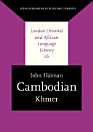
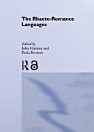
John Haiman is the author of Hua: A Papuan Language of the Eastern Highlands of New Guinea (1980), The Rhaeto-Romance Languages (with Paola Beninca, 1992) and Cambodian: Khmer (2011). He pioneered the resurgence of interest in iconicity in language with Natural Syntax (Cambridge, 1985), and was awarded a Guggenheim Fellowship 1989 for the study of sarcasm, which resulted in his book Talk Is Cheap (1998).
John Haiman is the author of Hua: A Papuan Language of the Eastern Highlands of New Guinea (1980), The Rhaeto-Romance Languages (with Paola Beninca, 1992) and Cambodian: Khmer (2011). He pioneered the resurgence of interest in iconicity in language with Natural Syntax (Cambridge, 1985), and was a...
ໃຫ້ຄະແນນ e-book ນີ້
ບອກພວກເຮົາວ່າທ່ານຄິດແນວໃດ.
ອ່ານຂໍ້ມູນຂ່າວສານ
ສະມາດໂຟນ ແລະ ແທັບເລັດ
ຕິດຕັ້ງ ແອັບ Google Play Books ສຳລັບ Android ແລະ iPad/iPhone. ມັນຊິ້ງຂໍ້ມູນໂດຍອັດຕະໂນມັດກັບບັນຊີຂອງທ່ານ ແລະ ອະນຸຍາດໃຫ້ທ່ານອ່ານທາງອອນລາຍ ຫຼື ແບບອອບລາຍໄດ້ ບໍ່ວ່າທ່ານຈະຢູ່ໃສ.
ແລັບທັອບ ແລະ ຄອມພິວເຕີ
ທ່ານສາມາດຟັງປຶ້ມສຽງທີ່ຊື້ໃນ Google Play ໂດຍໃຊ້ໂປຣແກຣມທ່ອງເວັບຂອງຄອມພິວເຕີຂອງທ່ານໄດ້.
eReaders ແລະອຸປະກອນອື່ນໆ
ເພື່ອອ່ານໃນອຸປະກອນ e-ink ເຊັ່ນ: Kobo eReader, ທ່ານຈຳເປັນຕ້ອງດາວໂຫຼດໄຟລ໌ ແລະ ໂອນຍ້າຍມັນໄປໃສ່ອຸປະກອນຂອງທ່ານກ່ອນ. ປະຕິບັດຕາມຄຳແນະນຳລະອຽດຂອງ ສູນຊ່ວຍເຫຼືອ ເພື່ອໂອນຍ້າຍໄຟລ໌ໄໃສ່ eReader ທີ່ຮອງຮັບ.