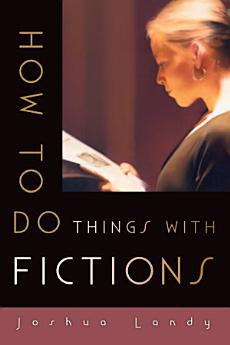
How to Do Things with Fictions
ઑગસ્ટ 2012 · Oxford University Press
ઇ-પુસ્તક
266
પેજ
સાધનો
info
family_home
પાત્ર
info
આ ઇ-પુસ્તક વિશે
Why does Mark's Jesus speak in parables? Why does Plato's Socrates make bad arguments? Why are Beckett's novels so inscrutable? And why don't stage magicians even pretend to summon spirits anymore? In a series of captivating chapters on Mark, Plato, Beckett, Mallarmé, and Chaucer, Joshua Landy not only answers these questions but explains why they are worth asking in the first place. Witty and approachable, How to Do Things with Fictions challenges the widespread assumption that literary texts must be informative or morally improving in order to be of any real benefit. It reveals that authors are sometimes best thought of not as entertainers or as educators but as personal trainers of the brain, putting their willing readers through exercises designed to fortify specific mental capacities, from form-giving to equanimity, from reason to faith. Delivering plenty of surprises along the way--that moral readings of literature can be positively dangerous; that the parables were deliberately designed to be misunderstood; that Plato knowingly sets his main character up for a fall; that metaphor is powerfully connected to religious faith; that we can sustain our beliefs even when we suspect them to be illusions--How to Do Things with Fictions convincingly shows that our best allies in the struggle for more rigorous thinking, deeper faith, richer experience, and greater peace of mind may well be the imaginative writings sitting on our shelves.
Why does Mark's Jesus speak in parables? Why does Plato's Socrates make bad arguments? Why are Beckett's novels so inscrutable? And why don't stage magicians even pretend to summon spirits anymore? In a series of captivating chapters on Mark, Plato, Beckett, Mallarmé, and Chaucer, Joshua Landy no...
લેખક વિશે
Joshua Landy is the Andrew B. Hammond Professor of French and Professor of Comparative Literature at Stanford University, where he co-founded and co-directs the Initiative in Philosophy and Literature. He is author of Philosophy as Fiction: Self, Deception, and Knowledge in Proust and coeditor, with Michael Saler, of The Re-Enchantment of the World: Secular Magic in a Rational Age.
Joshua Landy is the Andrew B. Hammond Professor of French and Professor of Comparative Literature at Stanford University, where he co-founded and co-directs the Initiative in Philosophy and Literature. He is author of Philosophy as Fiction: Self, Deception, and Knowledge in Proust and coeditor, w...
આ ઇ-પુસ્તકને રેટિંગ આપો
તમે શું વિચારો છો અમને જણાવો.
માહિતી વાંચવી
સ્માર્ટફોન અને ટૅબ્લેટ
Android અને iPad/iPhone માટે Google Play Books ઍપ ઇન્સ્ટૉલ કરો. તે તમારા એકાઉન્ટ સાથે ઑટોમૅટિક રીતે સિંક થાય છે અને તમને જ્યાં પણ હો ત્યાં તમને ઑનલાઇન અથવા ઑફલાઇન વાંચવાની મંજૂરી આપે છે.
લૅપટૉપ અને કમ્પ્યુટર
Google Play પર ખરીદેલ ઑડિઓબુકને તમે તમારા કમ્પ્યુટરના વેબ બ્રાઉઝરનો ઉપયોગ કરીને સાંભળી શકો છો.
eReaders અને અન્ય ડિવાઇસ
Kobo ઇ-રીડર જેવા ઇ-ઇંક ડિવાઇસ પર વાંચવા માટે, તમારે ફાઇલને ડાઉનલોડ કરીને તમારા ડિવાઇસ પર ટ્રાન્સફર કરવાની જરૂર પડશે. સપોર્ટેડ ઇ-રીડર પર ફાઇલો ટ્રાન્સ્ફર કરવા માટે સહાયતા કેન્દ્રની વિગતવાર સૂચનાઓ અનુસરો.


