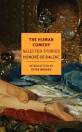
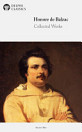
The Human Comedy: Restored Classics to Go Edition
About this ebook
Discover more
About the author
Honoré de Balzac was a towering figure of nineteenth-century French literature, born in Tours in 1799 and shaped by a restless ambition that led him from legal studies into the far more uncertain life of a writer. After years of financial struggle, false starts, and punishing work habits, he emerged as one of the great architects of the modern novel, producing an immense body of fiction that mapped French society with unprecedented scope and detail. His achievement lies not only in the sheer scale of his writing but in the vividness with which he captured the ambitions, vanities, desires, and disappointments of people moving through a rapidly changing world. Through recurring characters and interconnected stories, he created a literary universe that feels both panoramic and intimate, exposing the machinery of money, power, class, and social aspiration. Balzac's work remains strikingly relevant today because it reveals how status, greed, love, and self-invention continue to shape human behavior, and how society often rewards performance as much as virtue. His enduring legacy rests in his ability to make the social world feel alive, complex, and morally revealing, influencing generations of novelists who followed. Readers who enjoy psychologically rich fiction, sweeping social observation, and stories that uncover the hidden forces behind everyday life will find Balzac especially rewarding.