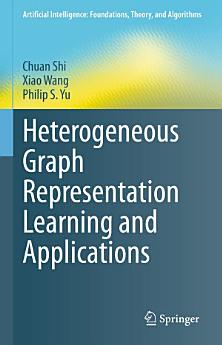
Heterogeneous Graph Representation Learning and Applications

Β· Springer Nature
Π•Π»Π΅ΠΊΡ‚Ρ€ΠΎΠ½Π½Π° ΠΊΠ½ΠΈΠ³Π°
318
Π‘Ρ‚Ρ€Π°Π½ΠΈΡ†ΠΈ

Всичко Π·Π° Ρ‚Π°Π·ΠΈ Π΅Π»Π΅ΠΊΡ‚Ρ€ΠΎΠ½Π½Π° ΠΊΠ½ΠΈΠ³Π°

Representation learning in heterogeneous graphs (HG) is intended to provide a meaningful vector representation for each node so as to facilitate downstream applications such as link prediction, personalized recommendation, node classification, etc. This task, however, is challenging not only because of the need to incorporate heterogeneous structural (graph) information consisting of multiple types of node and edge, but also the need to consider heterogeneous attributes or types of content (e.g. text or image) associated with each node. Although considerable advances have been made in homogeneous (and heterogeneous) graph embedding, attributed graph embedding and graph neural networks, few are capable of simultaneously and effectively taking into account heterogeneous structural (graph) information as well as the heterogeneous content information of each node.
In this book, we provide a comprehensive survey of current developments in HG representation learning.More importantly, we present the state-of-the-art in this field, including theoretical models and real applications that have been showcased at the top conferences and journals, such as TKDE, KDD, WWW, IJCAI and AAAI. The book has two major objectives: (1) to provide researchers with an understanding of the fundamental issues and a good point of departure for working in this rapidly expanding field, and (2) to present the latest research on applying heterogeneous graphs to model real systems and learning structural features of interaction systems. To the best of our knowledge, it is the first book to summarize the latest developments and present cutting-edge research on heterogeneous graph representation learning. To gain the most from it, readers should have a basic grasp of computer science, data mining and machine learning.


Representation learning in heterogeneous graphs (HG) is intended to provide a meaningful vector representation for each node so as to facilitate downstream applications such as link prediction, personalized recommendation, node classification, etc. This task, however, is challenging not only beca...

ΠžΡ‚ΠΊΡ€ΠΈΠΉΡ‚Π΅ ΠΎΡ‰Π΅

Π—Π° Π°Π²Ρ‚ΠΎΡ€Π°

Chuan Shi is the professor in School of Computer Sciences of Beijing University of Posts and Telecommunications, deputy director of Beijing Key Lab of Intelligent Telecommunication Software and Multimedia. The main research interests include data mining, machine learning, artificial intelligence and big data analysis. He has published more than 100 refereed papers, including top journals and conferences in data mining, such as IEEE TKDE, ACM TIST, KDD, AAAI, IJCAI, and WWW. And in the meanwhile, his first monograph about heterogeneous information networks has been published by Springer. He has been honored as the best paper award in ADMA 2011 and ADMA 2018, and has guided students to the world champion in the IJCAI Contest 2015, the premier international data mining competition. He is also the recipient of β€œthe Youth Talent Plan” and β€œthe Pioneer of Teacher's Ethics” in Beijing.

Xiao Wang is the assistant professor in School of Computer Sciences of Beijing University of Posts and Telecommunications. He was a postdoc in the Department of Computer Science and Technology at Tsinghua University. He got his Ph.D. in the School of Computer Science and Technology at Tianjin University and a joint-training Ph.D. at Washington University in St. Louis. The main research interests include data mining, machine learning, artificial intelligence and big data analysis. He has published more than 50 refereed papers, including top journals and conferences in data mining, such as IEEE TKDE, KDD, AAAI, IJCAI, and WWW. He also serves as SPC/PC member and Reviewer of several high-level international conferences, e.g., KDD, AAAI, IJCAI, and journals, e.g., IEEE TKDE.

Philip S. Yu's main research interests include big data, data mining (especially on graph/network mining), social network, privacy preserving data publishing, data stream, database systems, and Internet applications and technologies. He is a Distinguished Professor in the Departmentof Computer Science at UIC and also holds the Wexler Chair in Information and Technology. Before joining UIC, he was with IBM Thomas J. Watson Research Center, where he was manager of the Software Tools and Techniques department. Dr. Yu has published more than 1,300 papers in refereed journals and conferences with more than 133,000 citations and an H-index of 169. He holds or has applied for more than 300 US patents. Dr. Yu is a Fellow of the ACM and the IEEE. He is the recepient of ACM SIGKDD 2016 Innovation Award and the IEEE Computer Society's 2013 Technical Achievement Award.
Chuan Shi is the professor in School of Computer Sciences of Beijing University of Posts and Telecommunications, deputy director of Beijing Key Lab of Intelligent Telecommunication Software and Multimedia. The main research interests include data mining, machine learning, artificial intelligence ...

ΠžΡ†Π΅Π½Π΅Ρ‚Π΅ Ρ‚Π°Π·ΠΈ Π΅Π»Π΅ΠΊΡ‚Ρ€ΠΎΠ½Π½Π° ΠΊΠ½ΠΈΠ³Π°

ΠšΠ°ΠΆΠ΅Ρ‚Π΅ Π½ΠΈ ΠΊΠ°ΠΊΠ²ΠΎ мислитС.

Π˜Π½Ρ„ΠΎΡ€ΠΌΠ°Ρ†ΠΈΡ Π·Π° Ρ‡Π΅Ρ‚Π΅Π½Π΅Ρ‚ΠΎ

Π‘ΠΌΠ°Ρ€Ρ‚Ρ„ΠΎΠ½ΠΈ ΠΈ Ρ‚Π°Π±Π»Π΅Ρ‚ΠΈ
Π˜Π½ΡΡ‚Π°Π»ΠΈΡ€Π°ΠΉΡ‚Π΅ ΠΏΡ€ΠΈΠ»ΠΎΠΆΠ΅Π½ΠΈΠ΅Ρ‚ΠΎ Google Play Книги Π·Π° Android ΠΈ iPad/iPhone. Π’ΠΎ Π°Π²Ρ‚ΠΎΠΌΠ°Ρ‚ΠΈΡ‡Π½ΠΎ сС синхронизира с ΠΏΡ€ΠΎΡ„ΠΈΠ»Π° Π²ΠΈ ΠΈ Π²ΠΈ позволява Π΄Π° Ρ‡Π΅Ρ‚Π΅Ρ‚Π΅ ΠΎΠ½Π»Π°ΠΉΠ½ ΠΈΠ»ΠΈ ΠΎΡ„Π»Π°ΠΉΠ½, ΠΊΡŠΠ΄Π΅Ρ‚ΠΎ ΠΈ Π΄Π° стС.
Π›Π°ΠΏΡ‚ΠΎΠΏΠΈ ΠΈ ΠΊΠΎΠΌΠΏΡŽΡ‚Ρ€ΠΈ
ΠœΠΎΠΆΠ΅Ρ‚Π΅ Π΄Π° ΡΠ»ΡƒΡˆΠ°Ρ‚Π΅ Π·Π°ΠΊΡƒΠΏΠ΅Π½ΠΈΡ‚Π΅ ΠΎΡ‚ Google Play Π°ΡƒΠ΄ΠΈΠΎΠΊΠ½ΠΈΠ³ΠΈ посрСдством ΡƒΠ΅Π± Π±Ρ€Π°ΡƒΠ·ΡŠΡ€Π° Π½Π° ΠΊΠΎΠΌΠΏΡŽΡ‚ΡŠΡ€Π° си.
Π•Π»Π΅ΠΊΡ‚Ρ€ΠΎΠ½Π½ΠΈ Ρ‡Π΅Ρ‚Ρ†ΠΈ ΠΈ Π΄Ρ€ΡƒΠ³ΠΈ устройства
Π—Π° Π΄Π° Ρ‡Π΅Ρ‚Π΅Ρ‚Π΅ Π½Π° устройства с Π΅Π»Π΅ΠΊΡ‚Ρ€ΠΎΠ½Π½ΠΎ мастило, ΠΊΠ°Ρ‚ΠΎ Π½Π°ΠΏΡ€ΠΈΠΌΠ΅Ρ€ Π΅Π»Π΅ΠΊΡ‚Ρ€ΠΎΠ½Π½ΠΈΡ‚Π΅ Ρ‡Π΅Ρ‚Ρ†ΠΈ ΠΎΡ‚ Kobo, трябва Π΄Π° ΠΈΠ·Ρ‚Π΅Π³Π»ΠΈΡ‚Π΅ Ρ„Π°ΠΉΠ» ΠΈ Π΄Π° Π³ΠΎ ΠΏΡ€Π΅Ρ…Π²ΡŠΡ€Π»ΠΈΡ‚Π΅ Π½Π° устройството си. Π˜Π·ΠΏΡŠΠ»Π½Π΅Ρ‚Π΅ ΠΏΠΎΠ΄Ρ€ΠΎΠ±Π½ΠΈΡ‚Π΅ инструкции Π² ΠŸΠΎΠΌΠΎΡ‰Π½ΠΈΡ Ρ†Π΅Π½Ρ‚ΡŠΡ€, Π·Π° Π΄Π° ΠΏΡ€Π΅Ρ…Π²ΡŠΡ€Π»ΠΈΡ‚Π΅ Ρ„Π°ΠΉΠ»ΠΎΠ²Π΅Ρ‚Π΅ Π² ΠΏΠΎΠ΄Π΄ΡŠΡ€ΠΆΠ°Π½ΠΈΡ‚Π΅ Π΅Π»Π΅ΠΊΡ‚Ρ€ΠΎΠ½Π½ΠΈ Ρ‡Π΅Ρ‚Ρ†ΠΈ.