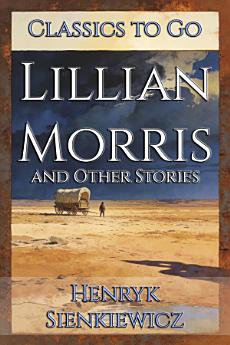
Lillian Morris: Restored Classics to Go Edition
About this ebook
Discover more
About the author
Henryk Sienkiewicz was a Polish novelist, short-story writer, and journalist whose life spanned a period of profound political upheaval, and whose work helped give voice to a nation living under partition. Born in 1846 and shaped by the struggles of nineteenth-century Poland, he began as a journalist before becoming one of the most celebrated storytellers of his age. His fiction won international admiration for its dramatic energy, historical sweep, and emotional clarity, earning him the Nobel Prize in Literature and securing his place among Europe's major literary figures. Across novels, stories, and historical narratives, he explored courage under pressure, the burdens of patriotism, the fragility of civilization, and the moral choices people make when history turns violent. He had a gift for making the past feel immediate, but his real strength lies in how human his characters remain: proud, vulnerable, idealistic, and deeply fallible. That is why his work still matters today, especially in a world still wrestling with national identity, conflict, and the question of how individuals preserve dignity in difficult times. Readers continue to find in Sienkiewicz not only adventure and spectacle, but also a serious meditation on resilience, sacrifice, and hope. He remains an essential writer for anyone interested in classic historical fiction, Polish literature, or stories that combine excitement with moral depth, and he is especially likely to appeal to readers who enjoy sweeping narratives with strong characters and enduring emotional force.