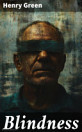
Blindness: Restored Classics to Go Edition
About this ebook
Discover more
About the author
Henry Green, the pen name of Henry Vincent Yorke, was an English novelist born into privilege in 1905 and educated at Eton and Oxford before entering the family business, an experience that gave him a sharp, unsentimental view of class, work, and social performance. He lived through the upheavals of the twentieth century, served in the Home Guard during the Second World War, and spent much of his life moving between industry, writing, and a quiet private existence that suited his elusive artistic temperament. Green became one of the most distinctive voices in modern British fiction, admired for his compressed style, precise ear for dialogue, and unusual ability to capture the hidden tensions beneath ordinary speech. His novels often explore desire, loneliness, domestic life, labor, and the fragile codes that govern human relationships, with a particular fascination for how people misread one another and themselves. That emotional ambiguity, along with his focus on class and social behavior, still feels strikingly modern, especially in an age attentive to subtext, performance, and the gap between public identity and private feeling. Green's work remains important because it reveals how much of life is shaped by what is left unsaid, and how comedy and pain can exist side by side in the same room. Readers who appreciate subtle psychological observation, elegant prose, and novels that reward close attention will find Henry Green especially rewarding.