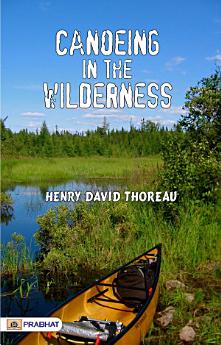
Canoeing In The Wilderness: Canoeing in the Wilderness: Henry David Thoreau's Account of his Canoeing Adventures
About this ebook
Key Aspects of the Book "Canoeing in the Wilderness":
Exploration of Nature: Thoreau's essays offer detailed observations and reflections on the natural world, capturing the essence of the wilderness and its impact on the human spirit.
Philosophical Musings: The collection delves into Thoreau's philosophical thoughts on solitude, self-reflection, and the interconnectedness of humans and nature.
Environmental Awareness: Thoreau's writings inspire readers to appreciate and protect the natural environment, emphasizing the importance of preserving wilderness areas.
Henry David Thoreau (1817-1862) was an American essayist, poet, and philosopher known for his transcendentalist writings. He is best known for his book Walden, which details his experiences living in a cabin in the woods for two years. Thoreau's writings on nature, solitude, and self-reliance continue to resonate with readers and have influenced generations of environmentalists and philosophers.