He Knew He Was Right
ก.ย. 2021 · Lindhardt og Ringhof
eBook
200
หน้า
เครื่องมือ
info
เกี่ยวกับ eBook เล่มนี้
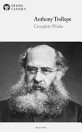
One of Anthony Trollope’s best-known novels, ‘He Knew He Was Right’ follows the gradual breakdown of a marriage. Louis and Emily Trevelyan initially have a seemingly happy union, but Louis’ distrust of his wife and certainty of her infidelity lead to resentment and the slow deterioration of the relationship. Set against the backdrop of the women’s rights movement, jealousy, suspicion and resentment simmer throughout this Trollope epic. Anthony Trollope (1815 – 1882) was a Victorian writer and author of 47 novels. He also wrote an autobiography, short stories and plays, travel articles, reviews and lectures. A prolific writer, he made no secret of the fact that money was his motivation for writing – an admission which raised eyebrows among his literary contemporaries at the time. The amount of works Trollope authored are testament to his belief in hard work. His first successful novel was The Warden followed by its sequel, Barchester Towers. The Chronicles of Barsetshire are perhaps his most well-known series of novels, though many of his works have been adapted for TV and radio, starring many familiar faces such as Alan Rickman, David Tennant, Bill Nighy and Tom Hollander. Alongside his literary career, Trollope also worked for some time for the Post Office and is credited with the introduction of the iconic post box to Britain. A memorial to Anthony Trollope was unveiled in Poets’ Corner in Westminster Abbey in 1993.
One of Anthony Trollope’s best-known novels, ‘He Knew He Was Right’ follows the gradual breakdown of a marriage. Louis and Emily Trevelyan initially have a seemingly happy union, but Louis’ distrust of his wife and certainty of her infidelity lead to resentment and the slow deterioration of the r...
สำรวจหนังสือเล่มอื่นๆ
ให้คะแนน eBook นี้
แสดงความเห็นของคุณให้เรารับรู้
ข้อมูลในการอ่าน
สมาร์ทโฟนและแท็บเล็ต
ติดตั้งแอป Google Play Books สำหรับ Android และ iPad/iPhone แอปจะซิงค์โดยอัตโนมัติกับบัญชีของคุณ และช่วยให้คุณอ่านแบบออนไลน์หรือออฟไลน์ได้ทุกที่
แล็ปท็อปและคอมพิวเตอร์
คุณฟังหนังสือเสียงที่ซื้อจาก Google Play โดยใช้เว็บเบราว์เซอร์ในคอมพิวเตอร์ได้
eReader และอุปกรณ์อื่นๆ
หากต้องการอ่านบนอุปกรณ์ e-ink เช่น Kobo eReader คุณจะต้องดาวน์โหลดและโอนไฟล์ไปยังอุปกรณ์ของคุณ โปรดทำตามวิธีการอย่างละเอียดในศูนย์ช่วยเหลือเพื่อโอนไฟล์ไปยัง eReader ที่รองรับ