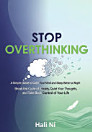
About this ebook
Written in a calm, reflective voice grounded in real experience, the book follows a series of nights where sleep does not come as expected, and what begins as a small disruption slowly reveals something else, a different way of existing within time, where silence becomes more noticeable, where small actions like making tea or standing by a window take on a different weight, and where even the simplest moments begin to feel more present.
Across fourteen chapters, the narrative moves through familiar yet rarely described experiences: waking in the middle of the night without a reason, watching light in other people’s windows, checking the clock without knowing why, walking through empty streets with no destination, and feeling the strange calm that arrives just before morning. Each chapter stays close to the texture of these moments, not turning them into lessons or meaning, but allowing them to exist as they are.
The book also explores how those nights carry into the day, creating a subtle distance in everyday life, and how, over time, sleeplessness becomes something familiar rather than something to resist. What emerges is not a transformation or a solution, but a shift in awareness, a quieter way of understanding how we move through time when it no longer follows the patterns we expect.
This is a book for anyone who has ever stared at the ceiling at 2 a.m., who has watched the night stretch without knowing what to do with it, who has felt the world slow down while everything else remains unresolved. It does not offer advice, and it does not try to guide you toward better sleep. Instead, it stays with the experience itself, the in-between hours, the unfinished thoughts, and the quiet moments that most people pass through but rarely stop to notice.
Nights I Didn’t Sleep is not about finding answers, but about recognizing something that has always been there, waiting in the silence.
Discover more
Ratings and reviews
About the author
Hali Ni is a contemporary writer focused on the quiet, often overlooked experiences of the human mind. Rather than offering rigid systems or one-size-fits-all solutions, Hali’s work explores the subtle patterns behind overthinking, emotional tension, and the internal conversations people carry with themselves—especially in moments when everything else is still.
With a writing style that is calm, reflective, and deeply human, Hali Ni is known for translating complex mental and emotional experiences into clear, relatable language. The goal is not to instruct or overwhelm, but to help readers recognize themselves in what they read, and in doing so, begin to understand their own minds with less pressure and more clarity.
Across all books, Hali Ni focuses on themes such as overthinking, anxiety, mental rest, and the relationship between awareness and control. The approach is consistent: no exaggerated promises, no forced positivity—just honest insight into how the mind works and how small shifts in awareness can gradually change the way we experience it.
Hali Ni’s writing is especially resonant for readers who find themselves most awake at night, caught in thought loops, or quietly overwhelmed by their own inner world. Instead of trying to silence that experience, the books aim to meet it directly, offering a sense of calm not by removing thoughts, but by changing how we relate to them.
Hali Ni continues to write with the intention of creating space—space to pause, to notice, and to feel a little less alone inside one’s own mind.