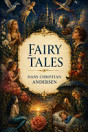
The Ice Maiden: Restored Classics to Go Edition
About this ebook
Discover more
About the author
Hans Christian Andersen, born in 1805 in Odense, Denmark, rose from a poor and uncertain childhood to become one of the most beloved storytellers in world literature. After leaving home as a teenager to seek his fortune, he struggled through years of limited schooling and artistic disappointment before finding his voice as a writer, eventually producing a remarkable body of fairy tales, travel writing, poetry, and novels that won him international fame. His greatest achievement was to transform the fairy tale into a literary art form, blending simple, memorable storytelling with irony, tenderness, melancholy, and moral insight. Behind the enchantment of his tales lies a deep concern with outsiders, longing, vanity, sacrifice, social class, and the fragile line between beauty and suffering. These themes still speak powerfully to modern readers because Andersen understood how loneliness, hope, and the desire to belong shape human life at every age. His stories remain fresh not only for their imaginative power but also for their emotional honesty, showing that wonder and pain often coexist. Andersen's legacy endures in children's literature, in the global cultural imagination, and in the way readers continue to find truth in stories that seem at first simple. He will especially delight readers who love lyrical prose, timeless fairy tales, and narratives that combine enchantment with a poignant look at the human heart.