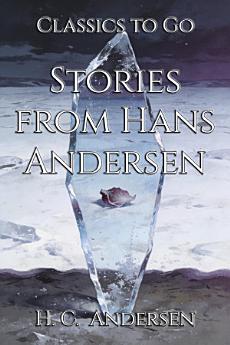
Stories from Hans Andersen: Restored Classics to Go Edition
About this ebook
Discover more
About the author
Hans Christian Andersen was born in 1805 in Odense, Denmark, into a poor family and rose through determination, imagination, and an extraordinary gift for storytelling to become one of the most beloved writers in world literature. After a difficult childhood and years of struggle in Copenhagen, he built a remarkable career as a poet, playwright, travel writer, and, above all, master of the literary fairy tale, creating stories that transformed children's literature and captivated adults as well. His work is admired for its emotional depth, delicate humor, and ability to turn simple objects, animals, and everyday experiences into reflections on longing, identity, beauty, loneliness, and transformation. Andersen's tales often explore the pain of feeling different, the cost of ambition, the fragility of innocence, and the hope that kindness and endurance can lead to meaning, themes that still speak powerfully to modern readers navigating uncertainty and self-discovery. His legacy endures because he gave fairy tales psychological richness and moral complexity without losing their enchantment, influencing generations of writers, artists, and filmmakers. Readers who enjoy lyrical storytelling, timeless wisdom, and stories that are both tender and haunting will find Andersen especially rewarding.