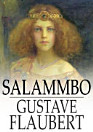
Salammbô: Enriched edition.
Nov 2022 · DigiCat
Ebook
544
Pages
family_home
Eligible
info
About this ebook
Gustave Flaubert's "Salammbô" is a captivating historical novel set in ancient Carthage during the tumultuous aftermath of the Mercenary War (241 BC). Richly imbued with the author's hallmark meticulousness, the narrative is characterized by lush descriptive passages and a vivid portrayal of the cultural and political dynamics of a society on the brink of collapse. Flaubert masterfully intertwines the personal and the political as it chronicles the tale of the priestess Salammbô and her tragic entanglements with the mercenary leader Matho, framed within grand themes of love, power, and religious fervor, effectively immersing the reader in the sensibilities of an entirely different epoch. Flaubert, a pioneer of literary realism, was influenced by his extensive studies of ancient civilizations and his travels throughout North Africa. This exposure allowed him to create a vivid tableau that transcends mere historical fiction; it becomes a profound exploration of human emotion and ambition. The meticulous research that Flaubert employed reflects his desire to depict not just the history, but the essence of a lost world, underlining his belief in the importance of artistic accuracy and depth. "Salammbô" is highly recommended for readers interested in rich historical narratives interwoven with psychological complexity. Flaubert's novel is not merely a reflection of ancient times but an exploration of universal human experiences. It challenges the reader to ponder the intersections of fate and free will, making it an essential reading for anyone seeking a deeper understanding of literary history and the enduring power of storytelling. In this enriched edition, we have carefully created added value for your reading experience: - A succinct Introduction situates the work's timeless appeal and themes. - The Synopsis outlines the central plot, highlighting key developments without spoiling critical twists. - A detailed Historical Context immerses you in the era's events and influences that shaped the writing. - An Author Biography reveals milestones in the author's life, illuminating the personal insights behind the text. - A thorough Analysis dissects symbols, motifs, and character arcs to unearth underlying meanings. - Reflection questions prompt you to engage personally with the work's messages, connecting them to modern life. - Hand‐picked Memorable Quotes shine a spotlight on moments of literary brilliance. - Interactive footnotes clarify unusual references, historical allusions, and archaic phrases for an effortless, more informed read.
Gustave Flaubert's "Salammbô" is a captivating historical novel set in ancient Carthage during the tumultuous aftermath of the Mercenary War (241 BC). Richly imbued with the author's hallmark meticulousness, the narrative is characterized by lush descriptive passages and a vivid portrayal of the ...
Discover more
About the author
Gustave Flaubert (1821-1880) was a preeminent French novelist renowned for his scrupulous devotion to his art and style, now enshrined chiefly in the literary pantheon for his masterpiece 'Madame Bovary' (1857). His exploration into the realm of historical fiction led to the creation of 'Salammbô' (1862), a work that emerged following the success of 'Madame Bovary'. Often categorized as an exemplar of Realism, Flaubert's prose in 'Salammbô', however, diverges into an intricate depiction of ancient Carthage with a painterly eye for detail and a palpable sense of grandeur, thus signaling his dexterity across genres. The novel reflects his intense research and passion for antiquity, embroiling readers in the political and military turmoil of the era whilst applying a critical lens on the mores and calamities of his own time. Flaubert was a meticulous craftsman who believed the perfect word ('le mot juste') could exert an almost magical power, a belief that underpinned his narrative technique and his perennial quest for literary perfection. His contribution to literature also includes a satirical take on bourgeois mentality through 'Bouvard et Pécuchet' (1881), a project left incomplete at his death but posthumously celebrated. As an influential figure, he impacted later writers through both his stylistic innovation and his explorations of human folly, intellectual obscurantism, and the quixotic nature of desire. His legacy endures in the way his works challenge and captivate scholars and readers alike.
Gustave Flaubert (1821-1880) was a preeminent French novelist renowned for his scrupulous devotion to his art and style, now enshrined chiefly in the literary pantheon for his masterpiece 'Madame Bovary' (1857). His exploration into the realm of historical fiction led to the creation of 'Salammbô...
Rate this ebook
Tell us what you think.
Reading information
Smartphones and tablets
Install the Google Play Books app for Android and iPad/iPhone. It syncs automatically with your account and allows you to read online or offline wherever you are.
Laptops and computers
You can listen to audiobooks purchased on Google Play using your computer's web browser.
eReaders and other devices
To read on e-ink devices like Kobo eReaders, you'll need to download a file and transfer it to your device. Follow the detailed Help Center instructions to transfer the files to supported eReaders.