About this ebook
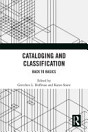
Libraries organize their collections to help library users find what they need. Organizing library collections may seem like a straightforward and streamlined process, but it can be quite complex, and there is a large body of theory and practice that shape and support this work. Learning about the organization of library collections can be challenging. Libraries have a long history of organizing their collections, there are many principles, models, standards, and tools used to organize collections, and theory and practice are changing constantly.
Written for beginning library science students, Organizing Library Collections: Theory and Practice introduces the theory and practice of organizing library collections in a clear, straightforward, and understandable way. It explains why and how libraries organize their collections, and how theory and practice work together to help library users. It introduces basic cataloging and metadata theory, describes and evaluates the major cataloging and metadata standards and tools used to organize library collections, and explains, in general, how all libraries organize their collections in practice. Yet, this book not only introduces theory and practice in general, it introduces students to a wide range of topics involved in organizing library collections. This book explores how academic, public, school, and special libraries typically organize their collections and why. It also discusses standardization and explains how cataloging and metadata standards and policies are developed. Ethical issues also are explored and ethical decision-making is addressed. In addition, several discussion questions and class activities reinforce concepts introduced in each chapter. Students should walk away from this book understanding why and how libraries organize their collections.
Written for beginning library science students, Organizing Library Collections: Theory and Practice introduces the theory and practice of organizing library collections in a clear, straightforward, and understandable way. It explains why and how libraries organize their collections, and how theory and practice work together to help library users. It introduces basic cataloging and metadata theory, describes and evaluates the major cataloging and metadata standards and tools used to organize library collections, and explains, in general, how all libraries organize their collections in practice. Yet, this book not only introduces theory and practice in general, it introduces students to a wide range of topics involved in organizing library collections. This book explores how academic, public, school, and special libraries typically organize their collections and why. It also discusses standardization and explains how cataloging and metadata standards and policies are developed. Ethical issues also are explored and ethical decision-making is addressed. In addition, several discussion questions and class activities reinforce concepts introduced in each chapter. Students should walk away from this book understanding why and how libraries organize their collections.
Libraries organize their collections to help library users find what they need. Organizing library collections may seem like a straightforward and streamlined process, but it can be quite complex, and there is a large body of theory and practice that shape and support this work. Learning about th...
About the author
Gretchen Hoffman is an Associate Professor in the School of Library and Information Studies at Texas Woman’s University. She has been teaching there since 2007. Her teaching and research agenda centers on the organization of information, specifically library cataloging. Courses she teaches include Cataloging and Classification, Advanced Cataloging and Classification, Collection Development, and Information Organization.
Before moving to Texas Woman’s University, Hoffman was a professional cataloger at the University of Kansas, specializing in complex and difficult cataloging, music cataloging (scores and audio recordings), and cataloging German-language monographs. Prior to that, she worked as a professional serials cataloger at Portland State University, specializing in federal government documents.
Before moving to Texas Woman’s University, Hoffman was a professional cataloger at the University of Kansas, specializing in complex and difficult cataloging, music cataloging (scores and audio recordings), and cataloging German-language monographs. Prior to that, she worked as a professional serials cataloger at Portland State University, specializing in federal government documents.
Gretchen Hoffman is an Associate Professor in the School of Library and Information Studies at Texas Woman’s University. She has been teaching there since 2007. Her teaching and research agenda centers on the organization of information, specifically library cataloging. Courses she teaches includ...
Rate this ebook
Tell us what you think.
Reading information
Smartphones and tablets
Install the Google Play Books app for Android and iPad/iPhone. It syncs automatically with your account and allows you to read online or offline wherever you are.
Laptops and computers
You can listen to audiobooks purchased on Google Play using your computer's web browser.
eReaders and other devices
To read on e-ink devices like Kobo eReaders, you'll need to download a file and transfer it to your device. Follow the detailed Help Center instructions to transfer the files to supported eReaders.