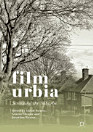
About this ebook
The essays in this collection actively engage with examples of contemporary popular and art cinema, genre films and auteur canon, historical films, propaganda, documentary and animation in their explorations of the meanings with which filmed landscapes are endowed and invested. The breadth of the study is matched by the depth of the interest, with writers here approaching the subject of film landscapes as critics, as film practitioners, and as teachers of film studies and film making.
Film Landscapes gives voice to a great many ideas, and includes coverage of a great many films; but it also points forward to ways in which we might revisit discussions of the environments of film and consider ways in which history and creativity, critical understanding and the interaction of human beings and place could be reconsidered and revised to produce new insights.
Discover more
About the author
Jonathan Rayner is Reader in Film Studies in the School of English at the University of Sheffield, UK. His research interests span Australasian cinema, genre criticism, auteur studies, cinema and landscape, and naval history on film. His publications include The Films of Peter Weir (Continuum, 1998/2003); Contemporary Australian Cinema (Manchester, 2000); The Naval War Film: Genre, History, National Cinema (Manchester, 2007); and Cinema and Landscape (Intellect, 2010), edited with Graeme Harper.