eBook 정보
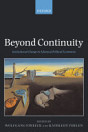
From the 1960s to the 1980s, observers gave the name "Model Germany" to the Federal Republic. They saw in Germany a political-economic "model" that was able to weather many economic challenges. "Model Germany" permitted political competition, while coordinating public policy among interest associations and private businesses so that changes would only take place only in a balanced and positive way. Since the early 1990s this "German Model" has faced serious troubles. Authors in this book describe its disintegration in the past decade and probe into the causes of this. Articles argue that it is Germany's national and European integration that has triggered the model's unravelling. These processes are paralleled by tendencies in public opinion, social life styles, and political mobilization in parties, interest groups, and social movements. The strains of "model Germany" show up in the transformation of industrial relations, corporate governance structures, and social and immigration policies in Germany.
From the 1960s to the 1980s, observers gave the name "Model Germany" to the Federal Republic. They saw in Germany a political-economic "model" that was able to weather many economic challenges. "Model Germany" permitted political competition, while coordinating public policy among interest associ...
콘텐츠 둘러보기
저자 정보
Herbert Kitschelt, Wolfgang Streeck
Herbert Kitschelt, Wolfgang Streeck
이 eBook 평가
의견을 알려주세요.
읽기 정보
스마트폰 및 태블릿
노트북 및 컴퓨터
컴퓨터의 웹브라우저를 사용하여 Google Play에서 구매한 오디오북을 들을 수 있습니다.
eReader 및 기타 기기
Kobo eReader 등의 eBook 리더기에서 읽으려면 파일을 다운로드하여 기기로 전송해야 합니다. 지원되는 eBook 리더기로 파일을 전송하려면 고객센터에서 자세한 안내를 따르세요.