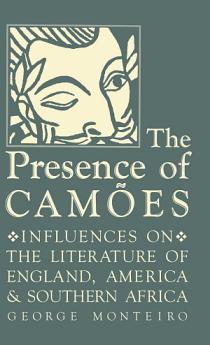
The Presence of Camões: Influences on the Literature of England, America, and Southern Africa
About this ebook
Introduced to English readers in 1655, Camões's work from the beginning appealed strongly to writers. The young Elizabeth Barrett's Camonean poems, for example, inspired Edgar Allan Poe to appropriate elements from Camões. Herman Melville's reading of Camões bore fruit in his career-long borrowings from the Portuguese poet. Longfellow, T.W. Higginson, and Emily Dickinson read and championed Camões. And
Camões as epicist and love poet is an éminence grise in several of Elizabeth Bishop's strongest Brazilian poems. Southern African writers have interpreted and reinterpreted Adamastor, Camões's Spirit of the Cape, as both a symbol of a dangerous and mysterious Africa and an emblem of European imperialism.
Recognizing the presence of Camões leads Monteiro to provocative rereadings of such texts as Dickinson's "Master" letters, Poe's "Raven," Melville's late poetry, and Bishop's Questions of Travel.
Ratings and reviews
About the author
George Monteiro is professor of English and of Portuguese and Brazilian Studies at Brown University and the author of numerous works dealing with Portuguese and American literature.