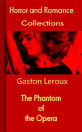
The Phantom of The Opera: The Phantom of the Opera: Gaston Leroux's Best Classic Horror Thrillers - Gaston Leroux's Haunting Masterpiece: Unveiling The Phantom of the Opera
About this ebook
Key Aspects of the Book "The Phantom of the Opera":
Gothic Atmosphere: Experience the atmospheric setting of the Paris Opera House, with its hidden passageways, secret chambers, and the eerie presence of the phantom, creating an ambiance of suspense, mystery, and danger.
Complex Characters: Delve into the complex characters of the opera's inhabitants, from the enigmatic phantom to the aspiring young singer Christine Daaé and the relentless pursuit of her love interest, Raoul. Leroux crafts a web of passion, secrets, and inner conflicts that adds depth to the narrative.
Unrequited Love and Obsession: Explore the themes of unrequited love, obsession, and the pursuit of artistic perfection, as the phantom's infatuation with Christine unfolds, blurring the lines between love and possession, beauty and monstrosity.
Gaston Leroux, a French author and journalist, penned "The Phantom of the Opera" as one of his most renowned works. Known for his ability to blend mystery, romance, and suspense, Leroux's novel has become a classic of the horror genre, inspiring numerous adaptations in various art forms. Through his vivid storytelling, Leroux invites readers into the enchanting and haunting world of the Paris Opera House.