ამ ელწიგნის შესახებ
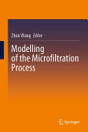
Fundamentals of Membrane Separation Technology provides a comprehensive and systematic introduction to this environmentally friendly separation process. Using a structured format that promotes comprehension and implementation each chapter provides overviews, principles, materials and preparation, and industrial applications. Each chapter then concludes with future prospects, references, and end of chapter exercises. Written for students and professionals, this book is an ideal reference for those who wish to better understand the fundamentals and applications of membrane technology. - Evaluates present and future applications of more recently developed membranes in energy conversion, biomedical components, controlled release devices, and environmental engineering - Provides a comprehensive overview of all aspects of membranes and their applications - Includes numerous industrial case studies, practical examples, and questions
Fundamentals of Membrane Separation Technology provides a comprehensive and systematic introduction to this environmentally friendly separation process. Using a structured format that promotes comprehension and implementation each chapter provides overviews, principles, materials and preparation,...
აღმოაჩინეთ მეტი
ავტორის შესახებ
Zhan Wang is a professor, leader of the expert group of China's water technology for the 45th and 46th world skills competitions, an adjunct professor of Tongji University and an editorial board member of water treatment technology and member of Beijing membrane society. He graduated from East China Institute of chemical engineering and was selected as a preparatory student for studying abroad during his postgraduate study at Tsinghua University. He received his Ph.D. degree in 1995 from Russian St. Petersburg Technological institute (scholarship by China scholarship council from 1991 to 1995), St. Petersburg, Russia. He was promoted a full professor in Beijing University of Technology of China in Dec. 2005. As a visiting research professor, he was worked one year (from 03, 2009 to 03, 2010) at George Belfort group in Rensselaer Polytechnic Institute, Troy, USA. He has successively won the expert Award for outstanding contribution to water treatment technology (World Skills Organization), young and middle-aged backbone teachers of Beijing Municipal Education Commission, teaching excellence award of Beijing University of technology, excellent teacher, excellent instructor for training high-level innovative talents, first prize of excellent education and teaching achievement award and other honours. He presided over 5 National Natural Science Foundation projects and 4 provincial and ministerial projects. As the first author or corresponding author more than 120 papers have been published in international journals and more than 40 conference papers have been published. 36 models have been built for the broad-spectrum industrial fouling system and membrane fouling and cleaning process commonly used in industrial processes (19 constant pressure fouling models, 8 constant pressure cleaning models and 11 constant flow fouling and cleaning models). 10 monographs and textbooks have been published. Among them, Foundation of Membrane Separation Technology is collected by 854 libraries, cited by 261 science and technology books, and cited by more than 2209 research papers in China. Today, this book as municipal excellent teaching materials was used in more than 100 enterprises and 60 colleges /universities as teaching materials.
Zhan Wang is a professor, leader of the expert group of China's water technology for the 45th and 46th world skills competitions, an adjunct professor of Tongji University and an editorial board member of water treatment technology and member of Beijing membrane society. He graduated from East Ch...
შეაფასეთ ეს ელწიგნი
გვითხარით თქვენი აზრი.
ინფორმაცია წაკითხვასთან დაკავშირებით
სმარტფონები და ტაბლეტები
დააინსტალირეთ Google Play Books აპი Android და iPad/iPhone მოწყობილობებისთვის. ის ავტომატურად განახორციელებს სინქრონიზაციას თქვენს ანგარიშთან და საშუალებას მოგცემთ, წაიკითხოთ სასურველი კონტენტი ნებისმიერ ადგილას, როგორც ონლაინ, ისე ხაზგარეშე რეჟიმში.
ლეპტოპები და კომპიუტერები
Google Play-ში შეძენილი აუდიოწიგნების მოსმენა თქვენი კომპიუტერის ვებ-ბრაუზერის გამოყენებით შეგიძლიათ.
ელწამკითხველები და სხვა მოწყობილობები
ელექტრონული მელნის მოწყობილობებზე წასაკითხად, როგორიცაა Kobo eReaders, თქვენ უნდა ჩამოტვირთოთ ფაილი და გადაიტანოთ იგი თქვენს მოწყობილობაში. დახმარების ცენტრის დეტალური ინსტრუქციების მიხედვით გადაიტანეთ ფაილები მხარდაჭერილ ელწამკითხველებზე.