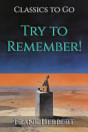
The Nothing: Restored Classics to Go Edition
About this ebook
Discover more
About the author
Frank Herbert (1920–1986) was an American novelist and journalist whose imagination reshaped modern science fiction. Born in Tacoma, Washington, he worked in a variety of jobs, served in the U.S. Navy during World War II, and later turned to writing with a reporter's eye for systems, politics, and human behavior. After years of persistence, he became internationally famous for creating vast, intellectually ambitious speculative worlds that blended ecology, religion, power, technology, and survival. His most celebrated achievements established him as one of the genre's defining voices, admired for the scale of his worldbuilding and the seriousness of his ideas. Herbert's fiction often asks how people adapt to harsh environments, how institutions gain and abuse power, and how belief can both sustain and endanger civilizations. These themes feel especially urgent today in an era shaped by climate anxiety, political instability, and debates over leadership, resource scarcity, and technological control. His legacy endures because he treated science fiction not as escapism but as a way to think deeply about the future and the choices that shape it. Readers who enjoy thoughtful, provocative, and richly imagined stories will find Frank Herbert especially rewarding.