এই ইবুকখনৰ বিষয়ে
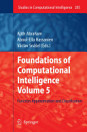
Foundations of Computational Intelligence Volume 6: Data Mining: Theoretical Foundations and Applications Finding information hidden in data is as theoretically difficult as it is practically important. With the objective of discovering unknown patterns from data, the methodologies of data mining were derived from statistics, machine learning, and artificial intelligence, and are being used successfully in application areas such as bioinformatics, business, health care, banking, retail, and many others. Advanced representation schemes and computational intelligence techniques such as rough sets, neural networks; decision trees; fuzzy logic; evolutionary algorithms; arti- cial immune systems; swarm intelligence; reinforcement learning, association rule mining, Web intelligence paradigms etc. have proved valuable when they are - plied to Data Mining problems. Computational tools or solutions based on intel- gent systems are being used with great success in Data Mining applications. It is also observed that strong scientific advances have been made when issues from different research areas are integrated. This Volume comprises of 15 chapters including an overview chapter providing an up-to-date and state-of-the research on the applications of Computational Int- ligence techniques for Data Mining. The book is divided into 3 parts: Part-I: Data Click Streams and Temporal Data Mining Part-II: Text and Rule Mining Part-III: Applications Part I on Data Click Streams and Temporal Data Mining contains four chapters that describe several approaches in Data Click Streams and Temporal Data Mining.
Foundations of Computational Intelligence Volume 6: Data Mining: Theoretical Foundations and Applications Finding information hidden in data is as theoretically difficult as it is practically important. With the objective of discovering unknown patterns from data, the methodologies of data mining...
অধিক বিচাৰি পাওক
মূল্যাংকন আৰু পৰ্যালোচনাসমূহ
১ টা পৰ্যালোচনা
এই ইবুকখনক মূল্যাংকন কৰক
আমাক আপোনাৰ মতামত জনাওক।
পঢ়াৰ নির্দেশাৱলী
স্মাৰ্টফ’ন আৰু টেবলেট
Android আৰু iPad/iPhoneৰ বাবে Google Play Books এপটো ইনষ্টল কৰক। ই স্বয়ংক্রিয়ভাৱে আপোনাৰ একাউণ্টৰ সৈতে ছিংক হয় আৰু আপুনি য'তে নাথাকক ত'তেই কোনো অডিঅ'বুক অনলাইন বা অফলাইনত শুনিবলৈ সুবিধা দিয়ে।
লেপটপ আৰু কম্পিউটাৰ
আপুনি কম্পিউটাৰৰ ৱেব ব্রাউজাৰ ব্যৱহাৰ কৰি Google Playত কিনা অডিঅ'বুকসমূহ শুনিব পাৰে।
ই-ৰীডাৰ আৰু অন্য ডিভাইচ
Kobo eReadersৰ দৰে ই-চিয়াঁহীৰ ডিভাইচসমূহত পঢ়িবলৈ, আপুনি এটা ফাইল ডাউনল’ড কৰি সেইটো আপোনাৰ ডিভাইচলৈ স্থানান্তৰণ কৰিব লাগিব। সমৰ্থিত ই-ৰিডাৰলৈ ফাইলটো কেনেকৈ স্থানান্তৰ কৰিব জানিবলৈ সহায় কেন্দ্ৰত থকা সবিশেষ নিৰ্দেশাৱলী চাওক।