આ ઇ-પુસ્તક વિશે
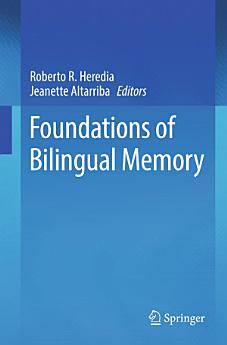
Foundations of Bilingual Memory provides a valuable update to the field of bilingual memory and offers a new psychological perspective on how the bilingual mind encodes, stores, and retrieves information. This volume emphasizes theoretical issues, such as classic memory approaches, Compound-Coordinate Bilingualism, Bilingual Dual Coding Theory, and Working Memory, about which relatively little has been written in the bilingual domain. Also covered are:
• The neuropsychology of bilingual memory
• Applied issues (such as false memories and bilingualism, emotion and memory)
• Empirical findings in support of the uniqueness of the different memory systems of the bilingual individual
• Connectionist models of bilingualism
The volume represents the first book of its kind, in stressing a memory perspective with regards to bilingual speakers. It can serve as an advanced text for both undergraduate and graduate level students and it will be of great interest to the growing number of bilingual teachers and university classes interested in understanding the bilingual mind, as well as in preparing teachers to work with the bilingual individual.
Foundations of Bilingual Memory provides a valuable update to the field of bilingual memory and offers a new psychological perspective on how the bilingual mind encodes, stores, and retrieves information. This volume emphasizes theoretical issues, such as classic memory approaches, Compound-Coord...
લેખક વિશે
Roberto R. Heredia is a professor of psychology at Texas A&M International University (TAMIU). His research interests include bilingual lexical access and ambiguity resolution, figurative language processes, sentence processing, eye-movements and reading, word recognition, and the neuropsychology of bilingualism. He is a former Chair of the Department of Behavioral Sciences at TAMIU, and director and founder of TAMIU's Cognitive Neuroscience Laboratory. He is presently Director of the Graduate Retention Enhancement at TAMIU (GREAT) Program. Jeanette Altarriba is a professor of psychology and Vice Provost and Dean for Undergraduate Education at the University at Albany, State University of New York, as well as the Director of the Cognition and Language Laboratory at SUNY-Albany. Her research interests include the psychology of language, psycholinguistics, second language acquisition, bilingualism, knowledge representation, eye movements and reading, concept and category formation, and cognition and emotion in both monolingual and bilingual speakers.
Roberto R. Heredia is a professor of psychology at Texas A&M International University (TAMIU). His research interests include bilingual lexical access and ambiguity resolution, figurative language processes, sentence processing, eye-movements and reading, word recognition, and the neuropsychology...
આ ઇ-પુસ્તકને રેટિંગ આપો
તમે શું વિચારો છો અમને જણાવો.
માહિતી વાંચવી
સ્માર્ટફોન અને ટૅબ્લેટ
Android અને iPad/iPhone માટે Google Play Books ઍપ ઇન્સ્ટૉલ કરો. તે તમારા એકાઉન્ટ સાથે ઑટોમૅટિક રીતે સિંક થાય છે અને તમને જ્યાં પણ હો ત્યાં તમને ઑનલાઇન અથવા ઑફલાઇન વાંચવાની મંજૂરી આપે છે.
લૅપટૉપ અને કમ્પ્યુટર
Google Play પર ખરીદેલ ઑડિઓબુકને તમે તમારા કમ્પ્યુટરના વેબ બ્રાઉઝરનો ઉપયોગ કરીને સાંભળી શકો છો.
eReaders અને અન્ય ડિવાઇસ
Kobo ઇ-રીડર જેવા ઇ-ઇંક ડિવાઇસ પર વાંચવા માટે, તમારે ફાઇલને ડાઉનલોડ કરીને તમારા ડિવાઇસ પર ટ્રાન્સફર કરવાની જરૂર પડશે. સપોર્ટેડ ઇ-રીડર પર ફાઇલો ટ્રાન્સ્ફર કરવા માટે સહાયતા કેન્દ્રની વિગતવાર સૂચનાઓ અનુસરો.