معلومات عن هذا الكتاب الإلكتروني
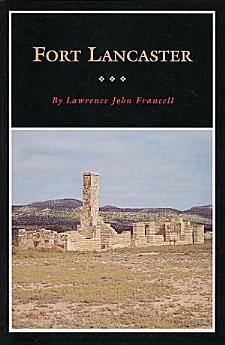
Today Fort Lancaster sits as a ghostly ruin in west Texas, far removed from any major highway. However, this frontier post once played a major role in the protection of the primary southern route to California after the discovery of gold. Built along Live Oak Creek near the junction with the Pecos, Fort Lancaster was established in 1855 as one of a chain of posts along the Military Road from San Antonio to El Paso. Until the establishment of Fort Stockton by troops from Fort Lancaster, this was the only garrison between Fort Clark and Fort Davis.
Manned by only one of two companies of the First Infantry, Fort Lancaster was one of the most isolated posts in Texas. The only civilian presence was a sutler and a stage stop for the overland mail. Maintaining the post, patrolling and protecting the road and occasional contact with Indians made up most of the routine. Official inspections, the arrival of the camel expedition, the passage of the Regiment of Mounted Rifles, and several pitched fights with Apaches added spice to an otherwise predictable existence.
The history of Fort Lancaster is not one of great men or great events. It is the story of the commonplace life of soldiers on the isolated American frontier during a time when communications relied upon horse and wagon, and the road they guarded was the vital link to California. Remote, poorly constructed, and inadequately garrisoned, Fort Lancaster stands as an excellent example of the typical frontier post in the pre-Civil War era.
Today Fort Lancaster is operated by Texas Parks and Wildlife as a State Historic Park. As isolated today as it was when active, the atmospheric ruins of Fort Lancaster are a stark reminder of Army life on the Texas frontier.
Today Fort Lancaster sits as a ghostly ruin in west Texas, far removed from any major highway. However, this frontier post once played a major role in the protection of the primary southern route to California after the discovery of gold. Built along Live Oak Creek near the junction with the Peco...
الاطّلاع على المزيد من الكتب
نبذة عن المؤلف
LAWRENCE JOHN FRANCELL is a museum services consultant and lives in Fort Davis. He is a volunteer at Fort Davis National Historic Site and is an Adjunct Lecturer in the Museum Studies Department of Baylor University.
LAWRENCE JOHN FRANCELL is a museum services consultant and lives in Fort Davis. He is a volunteer at Fort Davis National Historic Site and is an Adjunct Lecturer in the Museum Studies Department of Baylor University.
تقييم هذا الكتاب الإلكتروني
أخبرنا ما هو رأيك.
معلومات القراءة
الهواتف الذكية والأجهزة اللوحية
ينبغي تثبيت تطبيق كتب Google Play لنظام التشغيل Android وiPad/iPhone. يعمل هذا التطبيق على إجراء مزامنة تلقائية مع حسابك ويتيح لك القراءة أثناء الاتصال بالإنترنت أو بلا اتصال بالإنترنت أينما كنت.
أجهزة الكمبيوتر المحمول وأجهزة الكمبيوتر
يمكنك الاستماع إلى الكتب المسموعة التي تم شراؤها على Google Play باستخدام متصفح الويب على جهاز الكمبيوتر.
أجهزة القراءة الإلكترونية والأجهزة الأخرى
للقراءة على أجهزة الحبر الإلكتروني، مثل أجهزة القارئ الإلكتروني Kobo، عليك تنزيل ملف ونقله إلى جهازك. يُرجى اتّباع التعليمات المفصّلة في مركز المساعدة لتتمكّن من نقل الملفات إلى أجهزة القارئ الإلكتروني المتوافقة.