Información sobre este eBook
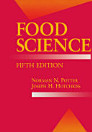
Almost two decades have passed since the first edition of Food Science was published in 1968. Previous editions have been widely circulated in the United States and abroad and have been accepted as a textbook in many colleges and universities. The book also has been translated into Japanese and Spanish. This response has encouraged me to adhere to prior objectives in preparing this fourth edition. The book continues to be aimed primarily at those with no previous instruction in food sci ence. Its purpose is to introduce and to survey the complex and fasci nating interrelationships between the properties of food materials and the changing methods of handling and manufacturing them into an al most unlimited number of useful products. The book especially ad dresses the needs for insight and appreciation of the broad scope of food science by students considering this field as a profession, as well as those by professionals in allied fields that service or interface with the food industry in ever-increasing ways. The literature of food science and food technology has rapidly ma tured from earlier articles to books to encyclopedias. Where technolog ical capabilities once were limited, rapid advances in many fields contin ually raise questions on the responsible management of technology and its environmental, social, and economic consequences. Changes in em phasis have been many. Affluent countries have become more con cerned with the health effects of nutrient excesses than with deficien cies, while hungry nations continue to suffer shortages.
Almost two decades have passed since the first edition of Food Science was published in 1968. Previous editions have been widely circulated in the United States and abroad and have been accepted as a textbook in many colleges and universities. The book also has been translated into Japanese and S...
Descubre más
Valoraciones y reseñas
1 reseña
Valorar este eBook
Danos tu opinión.
Información sobre cómo leer
Smartphones y tablets
Instala la aplicación Google Play Libros para Android y iPad/iPhone. Se sincroniza automáticamente con tu cuenta y te permite leer contenido online o sin conexión estés donde estés.
Ordenadores portátiles y de escritorio
Puedes usar el navegador web del ordenador para escuchar audiolibros que hayas comprado en Google Play.
eReaders y otros dispositivos
Para leer en dispositivos de tinta electrónica, como los lectores de libros electrónicos de Kobo, es necesario descargar un archivo y transferirlo al dispositivo. Sigue las instrucciones detalladas del Centro de Ayuda para transferir archivos a lectores de libros electrónicos compatibles.