The Great Gatsby
About this ebook
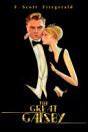
At its heart lies an obsessive love story between Gatsby, a self-made man haunted by his past, and the enigmatic Daisy Buchanan, a Southern belle trapped in a crumbling marriage to the brutish Tom. Their reunion ignites a whirlwind of passion and deception, exposing the hollow core of upper-class privilege and the illusions of reinvention. As Nick navigates this world of Lost Generation figures, the novel delves into psychological depths, exploring themes of class struggles, decadent fiction, and the elusive nature of happiness in a rapidly changing America.
Modernist in style, with its lyrical prose and innovative structure, the book critiques the moral decay beneath the era’s glamour, from speakeasies to scandalous affairs. It’s a bildungsroman of sorts for its young narrator, a coming-of-age amid the novel of manners that defined the 1920s. Readers who appreciate realistic fiction laced with satire and character studies will find resonance in its timeless portrayal of ambition’s cost.
This enduring work appeals to lovers of American literature, historical fiction buffs, and those drawn to stories of unrequited desire and societal critique. Step into Gatsby’s world to witness the fragility of dreams and the allure of what might have been.
Discover more
About the author
F. Scott Fitzgerald was an American novelist and short-story writer, born on September 24, 1896, in St. Paul, Minnesota. He is best known for his novel The Great Gatsby, which has become a staple in American literature and is acclaimed for its exploration of themes such as ambition, social upheaval, and the American Dream.
Fitzgerald attended Princeton University but did not complete his degree due to military service in World War I and the family's financial difficulties. His career as a writer began grudgingly with early works that did not achieve immediate success, but by the mid-1920s, he had become a celebrated figure in American society, known for his portrayals of the Jazz Age—a term he is credited with popularizing.
Fitzgerald married Zelda Sayre in 1919, and their tumultuous relationship both inspired and troubled their personal lives, often impacting Fitzgerald's work. Out of this period came novels such as The Beautiful and Damned (1922) and Tender Is the Night (1934).
Despite his early fame, Fitzgerald struggled with financial instability for much of his career and battled alcoholism. Zelda's mental health decline and her subsequent hospitalizations also shadowed their lives. Fitzgerald's health deteriorated, exacerbated by excessive drinking, and he passed away on December 21, 1940, from a heart attack in Hollywood, California.