Finance & Development, September 2009
International Monetary Fund. External Relations Dept.
2013年11月 · International Monetary Fund
star
6則評論
電子書
60
頁
關於本電子書
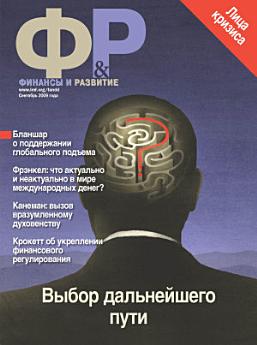
Recovery from the deepest recession in 60 years has started. But sustaining it will require delicate rebalancing acts, both within and across countries. IMF chief economist Olivier Blanchard writes in our lead article that the turnaround will not be simple. The crisis has left deep scars that will affect both supply and demand for many years to come. This issue of F&D also looks at what’s next in the global crisis and beyond. We look at ways of unwinding crisis support, the shape of growth worldwide after the crisis, ways of rebuilding the financial architecture, and the future of reserve currencies. Jeffrey Frankel examines what’s in and what’s out in global money, while a team from the IMF’s Research Department looks at what early warning systems can be expected to deliver in spotting future problems. In our regular People in Economics profile, we speak to Nobel prize winner Daniel Kahneman, whose work led to the creation of the field of behavioral economics, and our Picture This feature gives a timeline of how the Bank of England’s policy rate has fallen to its lowest level in 300 years. Back to Basics gives a primer on monetary policy, and Data Spotlight looks at how the crisis has affected the eastern European banking system.
Recovery from the deepest recession in 60 years has started. But sustaining it will require delicate rebalancing acts, both within and across countries. IMF chief economist Olivier Blanchard writes in our lead article that the turnaround will not be simple. The crisis has left deep scars that wil...
瀏覽更多書籍
評分和評論
6則評論
為這本電子書評分
歡迎提供意見。
閱讀資訊
智慧型手機與平板電腦
筆記型電腦和電腦
你可以使用電腦的網路瀏覽器聆聽你在 Google Play 購買的有聲書。
電子書閱讀器與其他裝置
如要在 Kobo 電子閱讀器這類電子書裝置上閱覽書籍,必須將檔案下載並傳輸到該裝置上。請按照說明中心的詳細操作說明,將檔案傳輸到支援的電子閱讀器上。